Your Ultimate Guide – 9 Creative Techniques For Jacket Printing Singapore

Printing your jackets can be a game-changer for your brand or personal style. In this guide, you will discover nine creative techniques tailored specifically for jacket printing in Singapore that can elevate your designs. Each technique offers unique advantages, ensuring you make a lasting impression, whether for fashion or promotional purposes. Dive into this comprehensive guide and find the best methods to enhance your jacket printing journey, making your creations stand out in a competitive market.

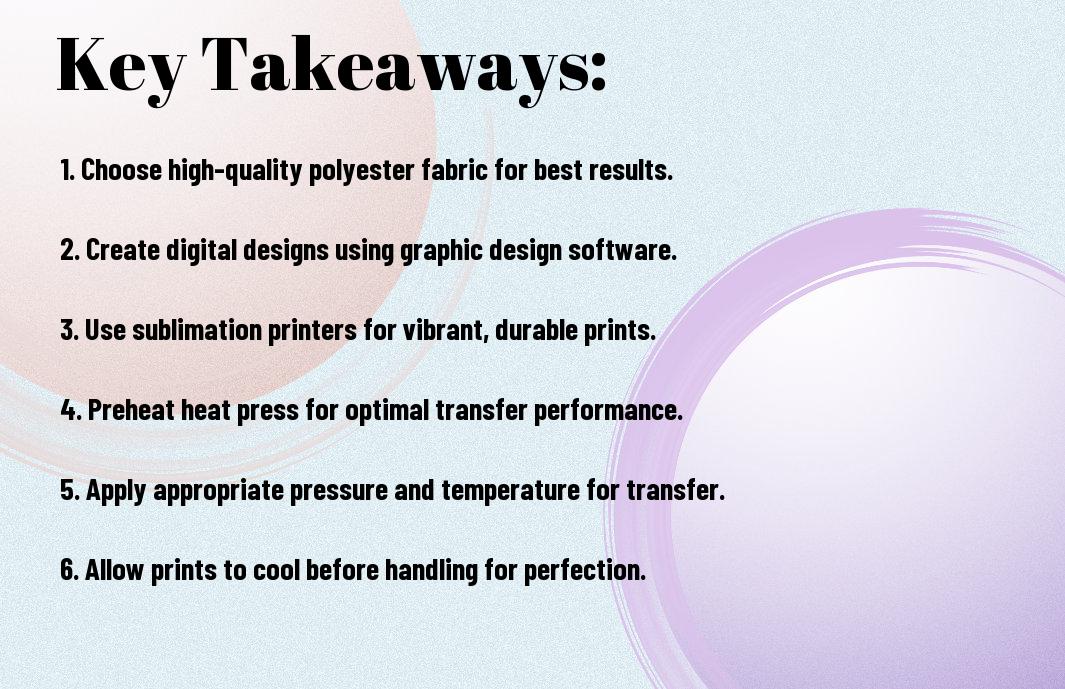
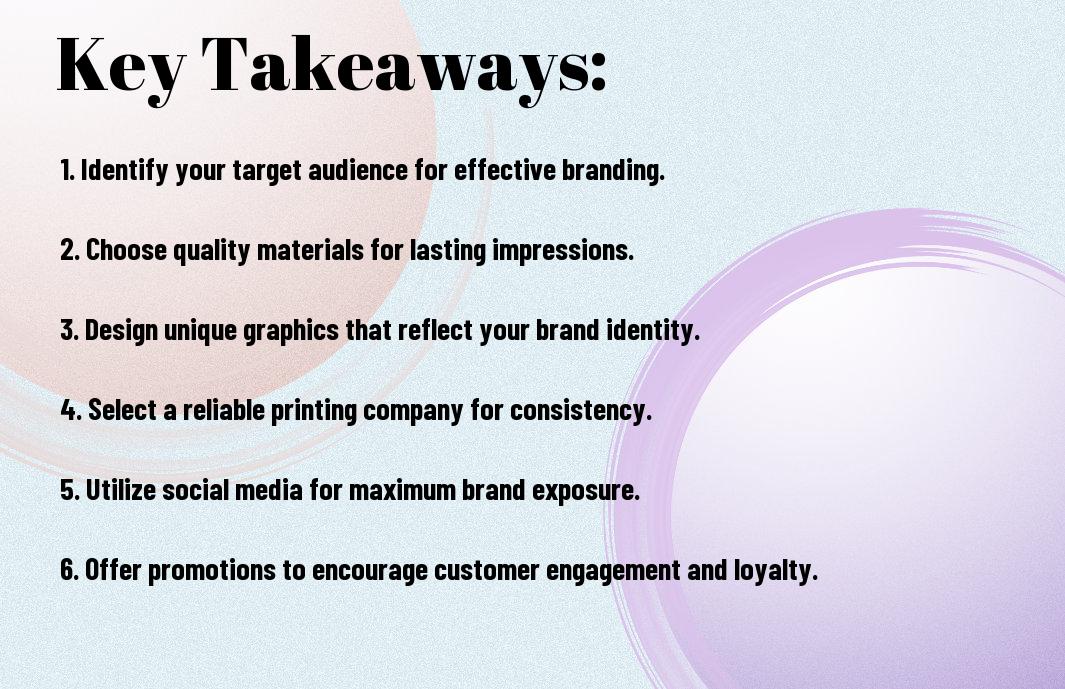
Key Takeaways:

  • Explore diverse printing techniques such as screen printing, heat transfer, and embroidery to find the best fit for your jacket designs in Singapore.
  • Consider factors like fabric type, design complexity, and budget when choosing a printing method to achieve high-quality results.
  • Stay updated on local trends and customer preferences to create unique and appealing jacket designs that resonate with your target audience.

Types of Jacket Printing Techniques

The world of jacket printing offers a variety of techniques to suit your needs and aesthetic preferences. Understanding these options will give you the insight necessary to make an informed decision on which jacket printing technique works best for your project. Below is a breakdown of the most popular methods:

Technique Description
Screen Printing Ideal for bulk orders with simple designs.
Digital Printing Perfect for detailed images and smaller orders.
Heat Transfer Printing Great for intricate designs on various fabrics.
Embroidery Adds texture and a professional touch.
Sublimation Printing Allows vibrant, full-color designs on polyester fabric.

This knowledge allows you to choose the right jacket printing technique that aligns with your artistic vision while considering your budget and time constraints.

Screen Printing

There’s something classic about screen printing that makes it a favored choice for many. This technique involves pressing ink through a stenciled mesh screen onto the fabric. It’s particularly effective for large orders, as the setup may require some time but pays off when producing bulk quantities. Screen printing works well for designs with limited colors and can yield a striking, long-lasting finish on your jackets.

One of the significant advantages of screen printing is its durability. The inks used in this process are often highly resistant to fading, making it an ideal choice for items that will undergo frequent washing. If you want a design that stands the test of time, you may find screen printing to be a wise investment.

Digital Printing

Printing technology has transformed the landscape of jacket printing, particularly with digital printing. Unlike traditional methods, digital printing allows you to create highly detailed images directly onto fabric using specialized printers. This means you can produce stunning graphics with excellent color accuracy, perfect for smaller runs or custom designs.

With digital printing, you can easily incorporate intricate details and even gradients into your designs. The flexibility this technique offers enables you to experiment with various styles without excessive costs or time constraints. It’s ideal for those looking for a modern and innovative approach to jacket design.

Techniques like direct-to-garment printing allow you to bring creative visions to life without sacrificing quality or vibrancy in your designs. The layers produced when using digital printing ensure that your visuals remain intact for a long time, making them valuable for both personal and commercial use.

Heat Transfer Printing

Types of heat transfer printing provide a convenient and versatile method for applying designs to jackets. This process involves using heat to transfer a design from a special vinyl or printed paper onto the fabric. It’s particularly useful for smaller quantities or complex designs since you can customize each piece effectively.

For instance, heat transfer printing enables you to use a multitude of colors and intricate designs without the limitations found in other techniques. However, it’s crucial to choose the right material to ensure longevity; some heat transfer methods may not withstand heavy washing. High-quality transfer materials can provide a robust finish, making it an excellent option for both casual and promotional jacket printing.

Tips for Effective Jacket Printing

Now that you’ve explored the different techniques available for jacket printing, it’s vital to focus on how to effectively implement these methods. Ensuring that your design stands out requires careful attention to detail and strategic planning. Here are some tips that will help you achieve the best results:

  • Prioritize quality materials to enhance durability.
  • Select appropriate printing techniques based on your design complexity.
  • Consider the target audience while designing your jacket print.
  • Consult with professionals to gauge their expertise and insights.
  • Test your design with a sample print before finalizing.

This will ensure that your jacket printing process is smooth and the outcome exceeds your expectations.

Choosing the Right Material

Even though it might seem straightforward, selecting the correct material for your jacket printing can significantly influence the final appearance and longevity of your print. You should consider your specific printing method when choosing materials—each technique interacts differently with various fabrics. For example, materials like cotton allow for vibrant prints using direct-to-garment printing, while polyester works well with dye-sublimation techniques.

Additionally, think about the intended use and environment of your jackets. If the printed jackets are for outdoor activities, fabrics that are resistant to weather and wear are preferable. Consulting with suppliers who can provide samples is a good practice. This will help you decide which fabric best accommodates your design, ensuring that your print both looks good and stands the test of time.

Color Selection

While color plays a vital role in jacket printing, it can also be a determining factor in how your brand or design is perceived. Choosing the right colors not only affects the aesthetic but also influences the emotional response of your audience. Make sure you select colors that align with your brand identity and resonate with your target customers. Think about using a color wheel to find complementary shades that enhance your design.

This choice should extend beyond just aesthetics; contrast is vital to make your design pop. High-contrast colors can ensure visibility from a distance, while muted tones might convey a more sophisticated vibe. Additionally, be mindful of the materials you are using, as different fabrics can alter how colors appear when printed. Stick to a color palette that reflects your brand image while being suitable for the jacket’s intended use, ensuring a professional and engaging final product.

Your Ultimate Guide – Step-by-Step Guide to Jacket Printing

For anyone looking to create unique and personalized jackets, understanding the step-by-step process of jacket printing in Singapore is crucial. This guide will navigate you through each crucial part, ensuring you are well-equipped to make informed decisions that lead to excellent results. Below is a simplified table that outlines the stages of jacket printing, from design to the finished product, detailing what you need at each step.

Step Details
1. Designing Your Artwork Create a digital or hand-drawn design that reflects your vision.
2. Preparing Your Jacket Select the jacket type and color that suits your design.
3. Printing Process Choose a printing technique (screen printing, heat transfer, etc.).
4. Quality Check Ensure the print is positioned and colored accurately.
5. Final Touches Inspect the final product and make necessary adjustments.

Designing Your Artwork

Designing your artwork is the first and undoubtedly one of the most creative steps in the jacket printing process. You need to translate your creative vision into a digital file or physical design that will be printed onto your jacket. Consider color schemes, fonts, and graphics carefully to ensure that your design represents your style or brand effectively. Using design software like Adobe Illustrator can help create high-quality vector images that translate beautifully when printed.

An important aspect to consider is the size and placement of your design. It should be proportionate to the jacket and adhere to your brand’s identity. Don’t hesitate to create mockups or share your designs with friends for feedback before finalizing everything. This initial phase lays the foundation for a stunning finished product that you’ll be proud to wear or promote.

Preparing Your Jacket

Even the most impressive designs will fall flat without the proper preparation of your jacket. Start by choosing the ideal fabric and color that will best complement your artwork. Whether you’re going for a classic denim look or a sporty windbreaker, ensuring the jacket’s fabric matches the printing method is vital. Additionally, pre-wash the jackets if necessary to account for shrinkage, and check for any sizing inconsistencies.

Jacket selection should also prioritize quality to ensure that it holds up well over time and through multiple washes. Consider factors like weight, texture, and account for the print area when selecting sizes for your design. These steps will help you avoid common pitfalls that lead to dissatisfaction with the final product.

Printing Process

Preparing for the printing process means choosing the right printing technique suited for your design and jacket material. Each method, whether screen printing, heat transfer, or direct-to-garment (DTG), comes with its strengths and weaknesses. It’s crucial to evaluate the details of your artwork: color complexity, number of colors, and desired durability to select the most appropriate printing method. An informed choice here will significantly enhance the final outcome of your jacket.

Plus, working closely with your printing company can give you insights into best practices for positioning and adjustments in your design before hitting print. This cooperative approach not only helps in achieving a clear and vibrant print but also reduces the chances of errors leading to wasted time and materials. Ultimately, a well-executed printing process results in beautiful jackets that meet your specifications and look amazing when worn.

Factors Affecting Jacket Printing Quality

Despite the numerous techniques available for jacket printing, the overall quality of the end product can be influenced by several key factors. Understanding these factors will enable you to make informed decisions when it comes to your jacket printing projects. The significant elements that can impact jacket printing quality include:

  • Printer Type
  • Ink Quality
  • Fabric Type

Thou must pay attention to these aspects to ensure that your jackets turn out looking professional and appealing.

Printer Type

Clearly, the type of printer you choose plays a significant role in the quality of your jacket prints. Different printing technologies produce varying results, and some are better suited for fabric printing than others. Options such as screen printing, direct-to-garment (DTG), and heat transfer printing all have their pros and cons, impacting both the vibrancy of colors and the durability of prints. For instance, screen printing excels in producing vibrant colors for bulk orders, while DTG allows for intricate designs but may not offer the same durability on all fabric types.

Choosing the right printer should align with the type of designs you plan to use and the intended purpose of the jacket. Investing in a high-quality, suitable printer may seem more costly upfront but can pay off by providing you with professional-grade quality that meets your expectations.

Ink Quality

There’s a clear distinction between different ink types, and this difference dramatically affects the quality of your prints. The use of high-quality, specialized inks ensures that colors remain vibrant and last longer on your jackets. Inks can vary from water-based, plastisol, to solvent-based, each designed for particular applications and fabric types. For instance, if you are printing on lighter fabrics, you may benefit from using water-based inks that provide a soft feel, while plastisol ink is advantageous for darker fabrics due to its opacity and durability.

Quality inks not only enhance the visual appeal but also contribute to the overall durability of the printed design. By prioritizing ink quality, you can create jackets that withstand the rigors of daily wear while maintaining their aesthetic value.

Fabric Type

Printer choice isn’t the only determinant of quality when it comes to jacket printing; the fabric type is equally significant. Different fabrics absorb inks differently, influencing the look and feel of the print. For instance, cotton garments provide a smooth surface that typically yields great results, while polyester fabrics may require specific inks to avoid issues like fading or cracking. Understanding the compatibility of your fabric type with your chosen printing method is vital for achieving the best outcomes.

With the right fabric, not only do you create a perfect canvas for your designs, but you also ensure that your prints are enduring. Selecting fabrics that complement your printing method gives you more control over the quality of your jackets.

Pros and Cons of Each Printing Technique

Keep in mind that each printing technique comes with its own set of advantages and disadvantages. Understanding these can help you make an informed decision about the best method for your jacket printing needs in Singapore. Here is a comprehensive breakdown that outlines some of the key pros and cons associated with each technique.

Technique Pros Cons
Screen Printing High durability Long setup time
Digital Printing Detailed designs Less durable than screen printing
Heat Transfer Versatile and colorful Can crack over time
Sublimation Great for all-over prints Limited to synthetic materials
Direct-to-Garment (DTG) High detail and color quantity Slower printing speed
Vinyl Cutting Durable and long-lasting Not suitable for complex designs
Embroidery High-end appearance Higher cost
Laser Printing Quick production time Limited color options
Plastisol Transfers Vibrant colors Can be less breathable

Screen Printing Advantages and Disadvantages

Now, let’s focus on screen printing. This method is known for its high durability and ability to produce vivid colors, making it a popular choice for larger batch jobs. It’s your go-to option if you want to achieve a bold, striking look. However, the long setup time and necessity for specific screen frames can make this option less viable for smaller quantities or one-off designs where you might want to see rapid results.

Moreover, the screen printing process can become costly when producing multiple colors, as each color requires a separate screen. This may discourage you from choosing this method if you’re looking for economized production on more intricate designs. Ultimately, screen printing works well for larger runs where durability matters more than the intricacy of the design.

Digital Printing Advantages and Disadvantages

Advantages of digital printing include its ability to output detailed designs rapidly, making it ideal for customized or small-batch printing. You can expect high-resolution prints, excellent color blending, and a quick turnaround time. However, the downside is that digital prints may not be as durable as screen-printed options and can fade or wear down more quickly over time.

For instance, the ink used in digital printing is often less resistant to washing and fading than that of traditional methods. This could be a concern if your design is going to be subjected to frequent wear and laundering. Therefore, you should consider the longevity of your design against the benefits of vibrant, immediate output.

Heat Transfer Advantages and Disadvantages

Each heat transfer method offers versatility and a wide range of colors, perfect for those of you who want to add vibrant images or complex designs to your jackets. However, it’s important to note that heat transfer prints can be prone to cracking or peeling over time, especially with repeated washing, which can affect the overall appearance.

Printing quality can also vary significantly based on the transfer type used, as some materials might not adhere well. This means you’ll need to choose your heat transfer film wisely for the best results to avoid unsightly wear and ensure a high-quality finish.

Common Mistakes to Avoid

To achieve the best results in jacket printing, avoiding common pitfalls is necessary. Being aware of these mistakes can save you time and frustration, ensuring your designs come out exactly as you envisioned. Focus on proper alignment, high-quality artwork, and suitable printing methods to minimize errors and maximize the impact of your custom jackets. With a little foresight, you can navigate the printing process with ease.

Misalignment Issues

To ensure your designs are printed correctly, you must pay attention to alignment. Misalignment can occur during the setup phase and may lead to your artwork being off-center or improperly positioned on the jacket. You should always double-check the placement of your designs, and if necessary, request a digital proof from your printing service before the actual printing begins. This extra step can help you avoid the disappointment of receiving jackets with artwork that doesn’t look quite right.

Poor Artwork Quality

Some factors to consider in your design process can significantly affect the quality of your final prints. Low-resolution images or poorly formatted files can lead to blurriness and pixelation, which detract from the overall appearance of your jackets. To avoid this, you should always use high-resolution imagery and save your artwork in suitable formats such as EPS or PNG, which preserve the quality needed for crisp, vibrant prints.

It is necessary to invest time in creating your artwork or collaborating with a professional designer, as this directly impacts the print output. Using high-quality images ensures your designs are sharp and visually appealing, while using appropriate color profiles also guarantees that the final colors match your expectations. Taking these steps can enhance your jackets and turn them into standout pieces.

Summing up

Upon reflecting, you now have a comprehensive understanding of the nine creative techniques for jacket printing in Singapore. Each method offers unique advantages, whether you are looking for vibrant colors, intricate designs, or sustainable practices. By exploring options such as screen printing, embroidery, and heat transfer, you can choose the technique that best aligns with your brand’s identity and messaging. Tailoring your approach will not only enhance the visual appeal of your jackets but also create lasting impressions among your audience.

As you commence on your jacket printing journey, you should consider factors such as budget, material, and design complexity to make informed decisions. By leveraging the insights and techniques covered in this guide, you can elevate your jacket printing projects to new heights, ensuring they resonate with your target market. Ultimately, the effort you put into selecting the right method will reflect in the quality of your finished product, helping you achieve your creative vision and brand goals in the competitive landscape of Singapore.

Q: What are the different techniques available for jacket printing in Singapore?

A: There are several techniques for jacket printing in Singapore, each offering unique finishes and effects. Some popular methods include screen printing, heat transfer printing, embroidery, sublimation printing, and direct-to-garment (DTG) printing. Screen printing is great for bold designs, while heat transfer allows for intricate graphics. Embroidery adds a touch of elegance, making it a preferred choice for logos. Sublimation printing works well on polyester fabrics and offers vibrant colors, while DTG printing offers high-quality full-color prints on demand.

Q: How do I choose the best technique for my jacket design?

A: Selecting the best printing technique for your jacket design depends on various factors such as the material of the jacket, the complexity of the design, your budget, and the intended use. For instance, if you’re looking for a cost-effective option to print a simple design in bulk, screen printing would be ideal. However, if you want a high-resolution image or a more intricate design, DTG printing would be more suitable. It’s also important to consider the fabric; for example, sublimation works best with polyester materials, where the dye becomes part of the fabric.

Q: What should I keep in mind regarding the durability of printed jackets?

A: When considering the durability of printed jackets, focus on both the printing technique and the care instructions for the garment. Some printing methods, like embroidery and screen printing, generally last longer compared to others, such as heat transfers. Additionally, selecting high-quality materials for both the jacket and prints contributes to durability. Always follow care instructions, such as avoiding harsh detergents and recommending gentle washing cycles, to prolong the life of the print. Discussing these aspects with your printing service provider can help ensure that you achieve a long-lasting result.

Custom Style Made Easy – 7 Steps To Successful Jacket Printing Singapore

You can transform your vision into a stunning reality with successful jacket printing in Singapore. This guide will walk you through 7 crucial steps to ensure that your custom designs stand out and make a lasting impression. From selecting the right fabric to understanding the printing techniques, each step empowers you to create jackets that resonate with your style and purpose. Embrace the process and take full control of your custom jacket experience!

Key Takeaways:

  • Choosing the right fabric and material for the jacket can significantly impact the final print quality and durability.
  • Design personalization should align with the target audience, ensuring that the visuals resonate well with them.
  • Investing time in sampling and testing different printing techniques can lead to optimized results for your custom jackets.

Types of Jacket Printing

Your choice of jacket printing method can greatly affect the overall look and feel of your custom jackets. Understanding the different types of printing techniques available will help you make an informed decision that suits your style and budget. Here’s a breakdown of the most popular jacket printing methods:

Printing Method Description
Screen Printing Ideal for bulk orders, this method uses stencils to create vibrant and long-lasting designs.
Digital Printing This method allows for full-color designs and is perfect for smaller orders or intricate patterns.
Embroidery Utilizes threads to stitch designs, known for its durability and a professional look.
Heat Transfer Imprints designs onto jackets using heat, providing flexibility with various materials.
Vinyl Printing Uses heat-pressed vinyl for durable, vibrant designs, suitable for names and numbers.

The information above highlights the main options for jacket printing. The choice you make depends on your specific needs, budget, and the desired aesthetic of your jackets.

Screen Printing

You may find that screen printing is the most popular choice for large-scale orders due to its cost-effectiveness and vibrant colors. This technique involves creating a stencil or screen for each color in your design, allowing ink to be pressed through onto the jacket’s fabric. While the setup can take some time, the results are often worth the effort, delivering bright and long-lasting prints.

If you’re planning to order a large number of jackets with the same design, screen printing can save you money over time. It’s an excellent choice when you desire bold colors and durable prints, making your jackets stand out and withstand the test of time.

Digital Printing

Digital printing opens up a world of creative possibilities with its advanced technology, enabling full-color designs to be printed directly onto jackets. Digital printing is perfect for small orders or intricate patterns that might not be feasible with other methods. You’ll appreciate the quick turnaround and the ability to customize unique designs without the limitations of traditional techniques.

This method uses specialized inkjet technology to create vibrant images that can include gradients, textures, and even photographic elements. Digital printing enables you to express your style in ways that other methods cannot. You can also rest assured that the prints will maintain their color and quality even after multiple washes.

Embroidery

If you’re looking for a classic and professional look, embroidery is an excellent option for jacket printing. This method involves stitching designs onto the fabric using colored threads, resulting in a textured and high-quality finish. Embroidery not only stands out with its three-dimensional appearance but also provides exceptional durability, making it perfect for jackets that will see frequent use.

You’ll love how embroidery adds a touch of elegance, especially for corporate or team jackets. With its ability to withstand wear and tear, embroidered designs maintain their integrity over time and present a polished image. It is highly advisable to choose embroidery for logos and text that require clarity and sophistication.

Screen printing, on the other hand, is a more affordable and versatile option that works well for large volumes. Understanding the variety of options enables you to tailor your choice based on your specific needs and preferences.

Tips for Successful Jacket Printing

You want to ensure that your jacket printing project stands out and meets your expectations. To accomplish this, follow these effective tips that will simplify the process and enhance the final result:

  • Understand your target audience to create designs that resonate.
  • Select the right type of printing technique suitable for your design.
  • Consider the potential wear and tear of the jackets to choose materials wisely.
  • Pay attention to the placement and sizing of your designs for visual impact.
  • Choose colors that are not only attractive but also authentic to your brand identity.

After adhering to these tips, you can look forward to a jacket printing experience that exceeds your expectations.

Choosing the Right Material

The choice of material plays a significant role in the success of your jacket printing. Different fabrics offer varying textures, durability, and compatibility with various printing techniques. Whether you opt for a classic cotton blend, sturdy polyester, or a premium nylon, consider how each material enhances your design and aligns with your intended use.

Additionally, pay attention to the specific functions of the jacket, such as resistance to weather elements or breathability, which can affect not just the aesthetics, but the overall performance as well. This careful consideration will ensure that the printed design looks stunning while also being practical and comfortable for the wearer.

Design Considerations

Little details in your design can have a substantial impact on the final outcome. Think about the overall message you want to convey through your jacket. This involves selecting visuals, fonts, and overall aesthetics that represent your brand accurately and resonate with your audience. Ensure that your design aligns with the purpose of the jacket, whether it’s for promotional events, team apparel, or casual wear.

Choosing a design that embraces simplicity can often lead to a more impactful statement. Overly complicated designs may detract from the message, whereas a clean layout can effectively highlight key elements. Moreover, consider the balance between the design and the jacket’s color to avoid visual clutter, allowing for a more professional and appealing appearance.

Color Selection

Jacket color selection is one of the most important aspects of your printing project. The right colors can enhance the visibility and overall attractiveness of your design, reinforcing brand recognition. When choosing colors, consider not only your brand’s color palette but also the perceptions associated with various colors. For instance, bold colors may attract attention, while softer tones can convey a sense of sophistication.

With the right combination of colors, you can ensure that your printed jackets not only look good but also convey the appropriate emotions and messages. Undertaking color tests and consultations can help streamline this process, allowing you to finalize a color scheme that truly resonates with your audience without compromising on quality or vibrancy.

Step-by-Step Guide to Jacket Printing

Many people overlook the intricacies involved in achieving the perfect jacket print. By following a systematic approach, you can create designs that stand out and resonate with your audience. This section breaks down each vital step, ensuring you have a clear pathway to success as you begin on your jacket printing journey.

Step Description
1. Preparing Your Design Create a digital version of your artwork suitable for printing.
2. Selecting a Printer Choose a reliable printing service that meets your quality requirements.
3. Finalizing the Order Confirm the details, such as quantity, size, and delivery time.

Preparing Your Design

You need to ensure your design is well-prepared before sending it off for printing. Start by selecting the right dimensions and resolution to match the specifications required by your chosen printer. It’s vital to use high-quality images so that your jacket prints are crisp and vibrant. Don’t forget to convert your design to the appropriate file format, typically PNG or PDF, to maintain the quality during the printing process.

Once your artwork is set, consider using color palettes that align with your brand’s identity. Check how these colors will look when printed, as screen colors may differ in real life. Additionally, it’s wise to factor in any additional elements such as logos or text that you want on your jacket. Developing a well-thought-out design ensures that your jackets effectively communicate your message.

Selecting a Printer

Preparing to select a printer is an important phase that can significantly affect the outcome of your jacket printing project. Look for local printing services in Singapore that specialize in jacket printing and have good reviews from previous clients. Evaluate their portfolio to ensure their print quality aligns with your expectations. Engaging with printers who use advanced techniques such as screen printing or heat transfer can result in better durability and vibrancy in your jacket designs.

Plus, consider their customer service and turnaround times before making a decision. A printer that values communication and shows enthusiasm for your project can alleviate stress and enhance your overall experience. Good printers will walk you through their process and suggest materials that work best for your jacket type.

Finalizing the Order

Step by step, it’s time to finalize your order by ensuring all details are accurate before approval. Double-check quantities, sizes, and designs one last time to prevent any potential issues during production. Communicate any specific instructions or requests to your chosen printer to ensure clarity and satisfaction with the final output.

In addition to these details, discuss delivery timelines and any additional costs associated with your order. Confirm that everything aligns with your budget and expectations. By doing so, you’re paving the way for a smooth printing process and a fantastic final product.

Factors to Consider Before Printing

For a successful jacket printing project in Singapore, it’s vital to evaluate several factors that can significantly impact your outcome. Key considerations include the type of fabric, the printing method, and your overall design. Each element plays a vital role in ensuring that your final product aligns with your vision. You should also think about your audience and how the finished product will be received in the market. Here are some vital aspects to consider:

  • Budget constraints
  • Minimum order quantities
  • Turnaround time

Knowing these factors will help you make informed decisions that align with your goals and expectations for your jacket printing project.

Budget Constraints

There’s no doubt that your budget will play a significant role in how you approach your jacket printing. Understanding your financial limitations is key to making smart choices throughout the process. You’ll need to balance quality, quantity, and pricing options, which often means comparing different vendors to find the best fit for your financial plan. Set a realistic budget that not only covers the initial printing cost but also any potential additional expenses like shipping and handling.

Additionally, consider how your budget affects the printing method you choose. Some options, as you may find, may be more expensive but offer higher quality or better durability, while others may compromise on quality for lower costs. Weighing these aspects against your budget can ultimately lead to an informed decision that aligns with your expectations.

Minimum Order Quantities

Minimum order quantities (MOQs) can significantly influence your jacket printing decisions. Minimum requirements typically dictate how many items you must order to proceed with the printing service. As an example, many suppliers may have an MOQ of 50 or more units, meaning you should assess how this aligns with your needs. Buying in bulk not only affects your budget but also takes into consideration storage and demand for your product.

Plus, ordering more than you need can lead to excess stock and potential waste. However, on a positive note, bulk orders often lower the price per unit, enabling you to save money in the long run. Carefully analyze your market demand to ensure that the quantity you choose complements your sales strategy and storage capacities.

Turnaround Time

Now, let’s examine into turnaround time, which can greatly affect your project’s success. It’s vital to establish clear deadlines, especially if your jacket printing is tied to an event or launch. Each printing service will have different timelines, and understanding these can help you plan your project efficiently. Remember to account for design revisions and production time, as these factors can introduce delays if not proactively managed.

This time factor could be a double-edged sword; while quick turnaround times might seem appealing, rushing through the process could compromise the quality, resulting in garments that don’t meet your standards. Balancing speed with quality is vital for ensuring your brand’s image is maintained throughout the project.

Pros and Cons of Different Jacket Printing Methods

To make an informed choice when it comes to jacket printing, you must consider the different printing methods available. Each method has its strengths and weaknesses, which can significantly impact the outcome of your jacket’s design. Below is a summarized overview that will help you weigh the options:

Printing Method Pros and Cons
Screen Printing Pros: High durability, vibrant colors. Cons: High setup costs, limited colors.
Digital Printing Pros: Fast turnaround, allows complex designs. Cons: Less durable, can be costlier for bulk.
Embroidery Pros: Professional look, highly durable. Cons: Limited color options, can be expensive for large designs.
Heat Transfer Pros: Great for small runs, vibrant prints. Cons: Can crack over time, not as durable.
Sublimation Pros: Excellent for all-over prints, vibrant colors. Cons: Only works on certain fabrics, limited to light colors.
Direct-to-Film Pros: Good for intricate designs, blends well with fabric. Cons: Can be costlier, requires special inks.
Textile Printing Pros: Great for natural fabrics, good color quality. Cons: Longer production time, less common.

Screen Printing Advantages and Disadvantages

An important method to consider is screen printing. This technique is known for its vibrant colors and high durability, making it an excellent choice for designs that require long-lasting prints. However, the initial setup costs can be quite high, and it is generally more suitable for larger runs due to the setup time involved. Additionally, while it can produce rich hues, the number of colors used in a single design can be somewhat limited, which may not be ideal for all creative concepts.

Furthermore, screen printing requires a separate screen for each color, which can increase the production time significantly if you have a multi-colored design. This method is best suited for bulk orders, as the cost per unit decreases with quantity. If you opt for this method, be sure to keep your design simple in terms of color to maximize efficiency.

Digital Printing Advantages and Disadvantages

On the other hand, digital printing offers another versatile option for your jacket designs. This technique allows for complex designs and fast turnaround times, making it an attractive choice for smaller runs or one-off creations. Digital printers can handle a wider range of colors and intricate details, significantly broadening your creative possibilities. However, digital prints can sometimes be less durable than screen prints, meaning they may fade or wear over time.

Additionally, if you are considering bulk orders, the cost per unit can rise rather quickly, making it less economical compared to screen printing. Therefore, while digital printing offers flexibility and speed, it’s important to balance these factors against your budget and the long-term use of the jackets.

Printing quality and longevity are important considerations with digital printing; thus, ensuring you select high-quality inks and fabrics can help mitigate some durability issues. Keeping an eye on these factors will enhance the overall outcome of your jacket printing experience.

Embroidery Advantages and Disadvantages

Disadvantages of embroidery include its limited color options, with a typical maximum of 12 colors for an intricate design. This can be a setback if you are looking for vibrant, multi-colored prints. Additionally, heat and wear can lead to thread fraying, which might necessitate additional care when choosing this method. While the initial setup may not be as costly as screen printing, embroidery can still be relatively expensive for large designs or logos because of the time-intensive nature of the process.

To enjoy the full benefits of embroidery, you should consider the fabrics used, as not all materials allow for high-quality stitching. If you choose sturdy fabrics like denim or canvas, your embroidered designs will have a greater longevity, enhancing both the aesthetics and durability of the jackets.

1. Define your jacket printing design concept clearly.
2. Select your fabric and jacket style preferences wisely.
3. Choose the right printing technique for your needs.
4. Find a reliable printing service in Singapore.
5. Review and approve the design proofs provided.
6. Place your order and monitor production progress closely.

To wrap up

Drawing together the insights from the ‘Custom Style Made Easy – 7 Steps To Successful Jacket Printing Singapore’, it becomes clear that achieving the perfect jacket design is within your reach. By carefully considering each step—from design conceptualization to material selection and quality assurance—you can create a garment that not only meets your specifications but also reflects your unique style. Embracing this process enables you to navigate through any challenges with confidence, ensuring that the end product is polished and professional.

As you initiate on your custom jacket printing journey, keep in mind that attention to detail and an understanding of your target audience are vital. Leveraging local expertise in Singapore can enhance your experience, making it both efficient and rewarding. With a strategic approach and the right resources, your custom jacket will stand out in quality and design, making a statement whether for personal use or as a promotional item. Embrace the possibilities that lie ahead and let your creativity guide you in crafting the perfect piece.

Q: What materials are recommended for custom jacket printing in Singapore?

A: When opting for materials for custom jacket printing, it is important to choose fabrics that are suitable for the type of printing method being utilized. Commonly recommended materials include polyester, nylon, and cotton blends, as they tend to hold ink well and provide vibrant colors. Additionally, consider waterproof or water-resistant materials if the jackets will be used in outdoor settings. Be sure to check the compatibility of the fabric with the chosen printing technique before making a final decision.

Q: What printing techniques are available for jacket customization in Singapore?

A: There are several printing techniques available for customizing jackets, each offering distinct advantages. Screen printing is a popular choice for bold designs and larger orders due to its durability and cost-effectiveness. Direct-to-garment (DTG) printing allows for detailed, full-color designs and is ideal for smaller runs or complex artwork. Additionally, heat transfer printing enables crisp designs and is great for incorporating various textures. The choice of technique depends on factors such as design complexity, fabric type, and order quantity.

Q: How can I ensure the design process runs smoothly for my custom jackets?

A: To facilitate a smooth design process for your custom jackets, start by clearly communicating your vision to the printing company. Provide high-quality graphics and any specific color codes that should be used. Collaborate closely during the proofing stage to make necessary adjustments. Setting a realistic timeline for the project will also help manage expectations. Finally, maintain open lines of communication throughout the process, as addressing questions or concerns promptly can help mitigate any potential issues.

Sublimation T-Shirt Printing Singapore – 5 Steps For Vibrant All-Over Designs!

As you explore the world of custom apparel, you’re likely to come across sublimation printing, a technique that produces vibrant and long-lasting designs. If you’re interested in creating your own all-over designs, you’ll want to understand the process. You can achieve professional-looking results with the right guidance. In this post, you’ll learn the 5 imperative steps to create stunning sublimation prints on t-shirts in Singapore, helping you to unlock endless design possibilities and take your apparel to the next level with bright and durable colors.

Key Takeaways:

  • Sublimation t-shirt printing in Singapore allows for vibrant all-over designs by using a heat press to transfer dye onto the fabric, resulting in a full-color, photorealistic image.
  • A successful sublimation print requires a 5-step process, including designing the artwork, preparing the sublimation paper, printing the design, applying heat and pressure, and finally, washing and drying the garment to fix the colors.
  • High-quality sublimation t-shirt printing in Singapore can produce unique, custom apparel with intricate designs and bright colors, making it an ideal option for businesses, events, and individuals seeking personalized clothing with a professional finish.

What is Sublimation T-Shirt Printing

Your journey to creating vibrant all-over d

esigns on t-shirts begins with understanding the basics of sublimation printing. On the surface, sublimation printing may seem like a complex process, but it’s actually a straightforward method that produces high-quality, long-lasting images. As you explore into the world of sublimation printing, you’ll discover its numerous benefits and applications.

Definition of Sublimation Printing

On the whole, sublimation printing is a heat transfer process that involves converting solid ink into gas, which then binds to the fabric, resulting in a durable and vibrant print. This process allows for full-color images to be printed onto various materials, including t-shirts, mugs, and phone cases. As you explore sublimation printing further, you’ll find that it’s an ideal method for creating custom designs with photorealistic quality.

On average, sublimation printing is used for printing on light-colored or white fabrics, as the ink binds better to thes

e surfaces. However, with the advancement of technology, it’s now possible to print on dark-colored fabrics as well, using specialized ink and equipment. You’ll need to ensure that your t-shirt is made of a polyester blend, as this material works best with sublimation printing.

Benefits of Sublimation Printing

Benefits of sublimation printing are numerous, and as you consider this method for your t-shirt printing needs, you’ll find that it offers exceptional image quality, durability, and versatility. You can create complex designs with vibrant colors that will last long without

 fading. Additionally, sublimation printing allows for small batch production, making it an ideal choice for custom orders or limited edition designs.

What makes sublimation printing even more appealing is the ease of use and cost-effectiveness. You can produce high-quality prints with minimal equipment and low startup costs. As you become more familiar with the process, you’ll be able to experiment with different designs and materials, allowing you to expand your creative possibilities. With sublimation printing, you can achieve professional-looking results without the need for extensive training or expensive equipment, making it an attractive option for entrepreneurs and hobbyists alike.

Preparing for Sublima

tion T-Shirt Printing

While getting started with sublimation t-shirt printing in Singapore, you need to ensure that you have all the necessary materials and follow the right procedures to achieve vibrant all-over designs. Your success in sublimation printing largely depends on the preparation stage, and it’s necessary to pay attention to every detail. You will be working with heat-sensitive materials, so it’s vital to handle them with care to avoid any damage or injuries. By following the right steps, you can create high-quality designs that will make your t-shirts stand out.

Your preparation will involve several key steps, including choosing the right fabric, selecting the

 best ink and paper, and setting up your equipment. These steps are vital to the success of your sublimation printing project, and you should take your time to get them right. You will need to consider factors such as the type of fabric, the color of the design, and the quality of the ink and paper to ensure that your designs turn out vibrant and durable.

Choosing the Right Fabric

With the right fabric, you can achieve outstanding results in sublimation t-shirt printing. You should look for fabrics that are polyester-based, as they are best suited for sublimation printing. Cotton and blended fabrics can also be used, but they may not produce the same vibrant colors as polyester. You should also consider the weight and weave of the fabric, as these factors can affect the quality of the print. A tighter weave and lighter weight fabric will generally produce a sharper image.

With a good understanding of the different types of fabrics available, you can make an informed decision about which one to use for your sublimation printing project. You should also consider the intended use of the t-shirt, as this will help you choose a fabric that is durable and comfortable to wear. By selecting the right fabric, you can ensure that your designs turn out vibrant and long-lasting.

Selecting the Best Ink and Paper

On the subject of ink and paper, you need to choose products that are specifically designed for sublimation printing. You should look for sublimation ink and heat-resistant paper that can withstand the high temperatures involved in the printing process. The quality of the ink and paper will have a significant impact on the final result, so it’s necessary to choose high-quality products. You should also consider the color gamut of the ink, as this will affect the range of colors that you can achieve in your designs.

On further consideration, you will also need to think about the compatibility of the ink and paper with your printing equipment. You should check the manufacturer’s recommendations to ensure that you are using the right products for your specific printer. By selecting the best ink and paper, you can achieve outstanding results in sublimation t-shirt printing and create vibrant designs that will last.

A key aspect of selecting the best ink and paper is understanding the technical specifications of the products. You should look for ink that has a high density and lightfastness, as this will ensure that your designs are vibrant and resistant to fading. You should also consider the environmental impact of the products, as some inks and papers may be more eco-friendly than others. By choosing high-quality, eco-friendly products, you can create outstanding designs while minimizing your environmental footprint. This will not only produce high-quality results but also ensure a safe working environment, avoiding any harmful effects on your health.

Designing for Sublimation T-Shirt Printing

To create stunning sublimation prints, you need to consider several factors that will impact the final result. Your design should be tailored to the sublimation process, taking into account the color palette, image resolution, and printing technique. This will ensure that your design turns out vibrant and detailed, with bright colors and sharp lines. As you design your sublimation print, keep in mind that the ink will be absorbed into the fabric, creating a permanent bond.

As you work on your design, consider the type of fabric you will be printing on, as this can affect the final result. Polyester fabrics are ideal for sublimation printing, as they allow for deep penetration of the ink. You should also think about the size and placement of your design, as this can impact the overall aesthetic of the final product. By carefully considering these factors, you can create a stunning sublimation print that will make your t-shirt stand out.

Creating Vibrant Designs

Similarly, Sublimation printing allows for full-color designs, giving you the freedom to create vibrant and detailed 

images. You can use a wide range of colors and patterns to create a unique and eye-catching design. To achieve the best results, you should use high-resolution images and vector graphics, as these will scale well and maintain their clarity. By using bright and bold colors, you can create a stunning design that will make your t-shirt stand out.

Sublimation printing also allows for photorealistic images, giving you the ability to create highly detailed and realistic designs. You can use photographs or illustrations to create a unique and personalized design. By experimenting with different colors and patterns, you can create a one-of-a-kind design that will make your t-shirt truly special. As you design your sublimation print, you can experim

ent with different techniques and effects to achieve the desired look and feel.

Tips for All-Over Printing

Sublimation printing allows for all-over printing, giving you the ability to create seamless and edge-to-edge designs. You can use the following tips to achieve the best results:

  • Use high-resolution images to ensure clarity and detail
  • Choose bright and bold colors to create a vibrant design
  • Consider the type of fabric you will be printing on, as this can affect the final result

Thou can achieve professional-looking results by following these tips and experimenting with different tec

hniques and effects.

TShirt designers often experiment with different designs and techniques to achieve the desired look and feel. You can use the following tips to create a stunning all-over print:

  • Use vector graphics to create scalable and editable designs
  • Choose contrasting colors to create a visually appealing design
  • Consider the size and placement of your design, as this can impact the overall aesthetic

Thou can create a unique and personalized design by following these tips and using your imagination an

d creativity.

The Sublimation Printing Process

Unlike other printing methods, sublimation printing offers a unique way to create vibrant all-over designs on t-shirts. This process involves transferring dye onto the fabric using heat and pressure, resulting in a permanent and long-lasting design. As you explore the world of sublimation printing, you’ll discover the various steps involved in creating stunning designs.

As you investigate deeper into the sublimation printing process, you’ll find that it’s a complex yet rewarding technique. With the right equipment and materials, you can achieve pro

fessional-grade results that will make your t-shirts stand out. Whether you’re a seasoned printer or a beginner, understanding the sublimation printing process is crucial to producing high-quality designs.

Step-by-Step Guide to Printing

Below is a breakdown of the sublimation printing process in a step-by-step guide:

Step Description
1. Design Preparation Prepare your design using specialized software and ensure it’s mirror-reversed and color-optimized.
2. Printing Print your design onto sublimation paper using a sublimation printer and sublimation ink.
3. Heat Pressing Apply high pressure and heat to the printed design, transferring the dye onto the fabric.

As you follow these steps, you’ll be able to create vibrant and durable designs that will make your t-shirts truly unique.

By understanding the sublima

tion printing process, you’ll be able to troubleshoot any issues that may arise and optimize your printing technique. With practice and patience, you’ll become proficient in creating stunning all-over designs that will impress your clients and customers.

Troubleshooting Common Issues

Sublimation printing can be a delicate process, and issues may arise if you’re not careful. As you work with sublimation printing, you’ll encounter common problems such as ghosting, bleeding, and fading. To overcome these issues, you’ll need to adjust your printing technique, calibrate your equipment, and optimize your design.

Due to the complexity of subli

mation printing, it’s crucial to monitor your process closely and make adjustments as needed. By doing so, you’ll be able to minimize errors and maximize the quality of your prints. As you refine your technique, you’ll become more confident in your ability to produce high-quality sublimation prints, and your designs will become more vibrant and long-lasting.

Post-Printing Care and Handling

All sublimation printed t-shirts require special care to maintain their vibrant colors and durability. You will want to make sure you follow the proper care instructions to ensure your desig

ns last as long as possible. This includes paying attention to how you wash, dry, and store your sublimation printed t-shirts.

Washing and Drying Instructions

Among the most important steps in caring for your sublimation printed t-shirts is following the right washing and drying instructions. You should wash your sublimation printed t-shirts in cold water using a mild detergent. It is also recommended to turn y

our t-shirts inside out before washing to protect the printed design from fading. In the matter of drying, you should avoid using a dryer and instead let your t-shirts air dry. This will help prevent the colors from fading and the fabric from shrinking.

Among other things, you should also avoid using bleach or fabric softener when washing your sublimation printed t-shirts, as these can damage the fabric and cause the colors to fade. You should also avoid ironing your sublimation printed t-shirts, as the heat can cause the colors to fade or become distorted. By following these washing and drying instructions, you can help keep your sublimation printed t-shirts looking their best.

Tips for Long-Lasting Prints

Among the best ways to ensure your sublimation printed t-shirts last a long time is to follow some simple tips. You can try the following:

  • Wash your t-shirts in cold water to prevent fading
  • Avoid using bleach or fabric softener when washing
  • Air dry your t-shirts instead of using a dryer
  • Store your t-shirts in a cool, dry place to prevent moisture from building up

Any failure to follow these tips can significantly reduce the lifespan of your sublimation printed t-shirts.

Handling your sublimation printed t-shirts with care is imperative to maintaining their vibrant colors and durability. You should avoid stretching or pulling on your t-shirts, as this can cause the fabric to become misshapen or the design to become distorted. Additionally, you can try the following:

  • Use a gentle cycle when washing your t-shirts
  • Avoid wringing or twisting your t-shirts to remove excess water
  • Store your t-shirts in a breathable bag or container to prevent moisture from building up

Any neglect in handling your sublimation printed t-shirts can permanently damage the design and reduce its lifespan.

Advanced Techniques for Sublimation T-Shirt Printing

Once again, you’re looking to take your sublimation t-shirt printing to the next level, and you’re in the right place. To achieve vibrant all-over designs, you’ll want to explore advanced techniques that can help you stand out from the crowd. Here are some techniques to consider:

  1. Using specialty inks and papers
  2. Experimenting with different fabrics
  3. Playing with color profiles and settings
Technique Description
Using specialty inks and papers This involves using high-quality inks and papers specifically designed for sublimation printing to achieve vibrant and durable colors.
Experimenting with different fabrics This involves trying out different types of fabrics to see how they interact with the sublimation process and produce unique effects.

Using Specialty Inks and Papers

Around the time you start exploring advanced techniques, you’ll likely encounter specialty inks and papers that can enhance your sublimation printing experience. These high-end materials can help you achieve more vivid colors and increased durability. When using specialty inks and papers, make sure to follow the manufacturer’s instructions to ensure the best results.

You’ll find that using specialty inks and papers can be a game-changer for your sublimation printing business. With the right materials, you can produce high-quality prints that will impress your customers and set you apart from the competition.

Experimenting with Different Fabrics

After you’ve mastered the basics of sublimation printing, you can start experimenting with different fabrics to achieve unique effects. You’ll find that different fabrics interact differently with the sublimation process, producing distinct results. For example, polyester fabrics tend to work well with sublimation printing, while cotton fabrics may require special treatment.

For instance, you can try using blended fabrics or specialty fabrics like metallic or neon fabrics to create eye-catching designs. Keep in mind that different fabrics may require adjustments to your printing settings and color profiles to achieve the best results. By experimenting with different fabrics, you can expand your creative possibilities and offer your customers a wider range of options.

To wrap up

From above, you have learned the 5 crucial steps for achieving vibrant all-over designs with sublimation T-shirt printing in Singapore. You now understand the importance of preparing your design, selecting the right materials, and using the correct equipment to produce high-quality prints. By following these steps, you can create stunning and durable designs that will make your T-shirts stand out. You will be able to offer your customers unique and personalized products that reflect their individuality, which can help you build a loyal customer base and increase your sales.

As you begin on your sublimation T-shirt printing journey, you will find that the process is not only creative but also rewarding. You will have the freedom to experiment with different designs, colors, and patterns, allowing you to express your artistic side. With practice and patience, you will master the techniques and be able to produce vibrant all-over designs that exceed your customers’ expectations. Your business will thrive, and you will establish yourself as a reputable provider of high-quality sublimation printed T-shirts in Singapore. By following the 5 steps outlined, you will be well on your way to creating stunning and unique designs that will set you apart from the competition.

FAQ

Q: What is sublimation T-shirt printing and how does it work in Singapore?

A: Sublimation T-shirt printing is a popular method of printing designs onto fabrics, especially polyester, using heat transfer. In Singapore, this technique is widely used for creating vibrant all-over designs on T-shirts. The process involves printing the design onto a special heat transfer paper using sublimation ink, which is then applied to the T-shirt using a heat press. The heat causes the ink to sublimate, or change directly from a solid to a gas, and bond with the polyester fibers, resulting in a durable and long-lasting print.

Q: What are the benefits of sublimation T-shirt printing in Singapore compared to other methods?

A: Sublimation T-shirt printing offers several benefits, including vibrant and durable prints, excellent color accuracy, and a soft, non-fading finish. Unlike screen printing or direct-to-garment printing, sublimation printing allows for all-over designs without any limitations on color or design complexity. Additionally, sublimation prints are less prone to fading or cracking, making them ideal for promotional products, fashion apparel, and sports jerseys in Singapore.

Q: What types of fabrics are suitable for sublimation T-shirt printing in Singapore?

A: Sublimation printing works best on polyester fabrics, such as polyester blends, poly-cotton, and 100% polyester. The process requires the fabric to have a high polyester content, as the sublimation ink bonds with the polyester fibers. In Singapore, most T-shirt manufacturers offer a range of polyester-rich fabrics suitable for sublimation printing, including sportswear, fashion apparel, and promotional products. However, it’s necessary to note that sublimation printing may not work well on natural fibers like cotton, linen, or silk.

Q: How do I prepare my design for sublimation T-shirt printing in Singapore?

A: To prepare your design for sublimation printing, ensure that it is in a high-resolution format, preferably 300 DPI or higher. Use a color mode that supports CMYK, as sublimation inks work best with this color profile. It’s also necessary to mirror your design, as the sublimation paper will be applied to the T-shirt in reverse. In Singapore, most sublimation printing services offer design assistance and file preparation to ensure that your design is print-ready.

Q: What are the 5 steps for achieving vibrant all-over designs with sublimation T-shirt printing in Singapore?

A: The 5 steps for achieving vibrant all-over designs with sublimation T-shirt printing in Singapore are: (1) design preparation, where you create and prepare your design file; (2) printing, where the design is printed onto sublimation paper using sublimation ink; (3) heat pressing, where the sublimation paper is applied to the T-shirt using a heat press; (4) quality control, where the printed T-shirt is inspected for any defects or imperfections; and (5) packaging and delivery, where the finished T-shirts are packaged and shipped to customers in Singapore. By following these steps, you can achieve vibrant, all-over designs that are perfect for promotional products, fashion apparel, and sports jerseys.

Steps To Elevate Your Brand – Customized T-Shirt Printing Singapore Essentials!

As you look to establish a strong brand presence, customized t-shirt printing can be a game-changer for your business. You can leverage this effective marketing tool to increase brand awareness and reach a wider audience. By investing in high-quality customized t-shirts, you can create a lasting impression on your customers and differentiate your brand from the competition. You will learn how to make the most of this opportunity and take your brand to the next level with the right strategies and techniques.

Key Takeaways:

  • Define your brand identity by selecting a unique design, color scheme, and font style that reflects your brand’s personality and values, making your customized t-shirts instantly recognizable in Singapore’s competitive market.
  • Choose a reliable and experienced custom t-shirt printing service in Singapore that offers high-quality materials, precise printing techniques, and timely delivery to ensure your branded apparel meets your expectations and makes a lasting impression.
  • Consider the target audience and purpose of your customized t-shirts, whether for promotional events, team building, or everyday wear, to determine the most effective design and distribution strategy that maximizes your brand’s visibility and reach in Singapore.

Setting Up Your Brand

While establishing a strong brand identity is vital for any business, it can be a daunting task, especially when it comes to customized T-shirt printing in Singapore. You need to consider various factors, including your target audience, unique value proposition, and brand messaging. As you commence on this journey, you’ll need to make informed decisions that will positively impact your brand’s reputation and ultimately drive sales. Your goal is to create a brand that stands out from the competition and resonates with your target audience.

As you set up your brand, you’ll need to navigate the process carefully to avoid common pitfalls that can negatively affect your brand’s image. You’ll need to be strategic and intentional in your approach, considering every detail, from your brand’s visual identity to its tone and voice. By doing so, you’ll be able to create a strong foundation for your brand, which will serve as the basis for all your future marketing efforts.

Defining Your Target Audience

One of the most important steps in setting up your brand is defining your target audience. You need to understand who your ideal customer is, what their needs and preferences are, and how you can effectively communicate with them. This will help you create a brand that speaks directly to them, addressing their pain points and aspirations. As you define your target audience, you’ll need to consider factors such as demographics, interests, and behaviors, which will help you create a detailed profile of your ideal customer.

One way to define your target audience is to conduct market research, which can provide you with valuable insights into your customers’ thoughts and feelings. You can also use social media analytics to gather data on your followers and understand what drives engagement. By having a deep understanding of your target audience, you’ll be able to create a brand that truly resonates with them, which will help you build a loyal customer base.

Crafting Your Unique Value Proposition

By crafting a unique value proposition, you’ll be able to differentiate your brand from the competition and attract customers who are looking for something unique and innovative. Your unique value proposition should clearly communicate the benefits of your brand and what sets it apart from others in the market. As you craft your unique value proposition, you’ll need to consider what makes your brand special and how you can effectively communicate this to your target audience.

By focusing on your brand’s strengths and weaknesses, you’ll be able to create a unique value proposition that accurately reflects your brand’s mission and values. You’ll need to be honest and transparent in your approach, avoiding misleading or false claims that can damage your brand’s reputation. Another key aspect of crafting your unique value proposition is to ensure that it is consistent across all your marketing channels, which will help you build a strong brand identity that resonates with your target audience and helps you achieve your business goals. This will also help you to avoid confusion and build trust with your customers, which is vital for long-term success.

Designing Your Customized T-Shirts

Clearly, designing your customized t-shirts is a significant step in elevating your brand. You want to create a design that accurately represents your brand’s identity and resonates with your target audience. In the matter of designing your customized t-shirts, you have a wide range of options to choose from, including various colors, fonts, graphics, and images. Your goal is to create a design that is visually appealing and effective in communicating your brand’s message.

As you begin on designing your customized t-shirts, you will need to make several key decisions. You will need to decide on the color scheme, font style, and graphics that will be used on your t-shirts. These decisions will have a significant impact on the overall look and feel of your design, so it is important to take your time and consider your options carefully. By doing so, you can create a design that is unique, professional, and effective in promoting your brand.

Choosing the Right Colors and Fonts

With a wide range of colors and fonts to choose from, selecting the right ones for your customized t-shirts can be a daunting task. You will need to consider the psychological impact of different colors and the readability of different fonts. For example, bright colors can be attention-grabbing, while pastel colors can be soothing. Similarly, bold fonts can be eye-catching, while script fonts can be elegant. By understanding the emotional connotations of different colors and fonts, you can make informed decisions that will help you create a design that resonates with your target audience.

With the right color scheme and font style, you can create a design that is consistent with your brand’s identity. You can also use colors and fonts to create contrast and draw attention to specific elements of your design. For example, you can use a bold font to highlight your brand’s name or a bright color to draw attention to a specific graphic or image. By using colors and fonts effectively, you can create a design that is visually appealing and effective in communicating your brand’s message.

Selecting the Perfect Graphics and Images

To create a design that is unique and memorable, you will need to select graphics and images that are relevant to your brand and resonate with your target audience. You can choose from a wide range of graphics and images, including logos, icons, and photographs. When choosing graphics and images, you will need to consider the resolution and file format to ensure that they are print-ready. You will also need to ensure that you have the necessary permissions to use the graphics and images you select.

To ensure that your graphics and images are effective, you will need to consider the size and placement of each element. You will need to balance the visual elements of your design to create a coherent and visually appealing design. By doing so, you can create a design that is professional and effective in promoting your brand.

Another important consideration when selecting graphics and images is the branding consistency. You will need to ensure that the graphics and images you select are consistent with your brand’s identity and messaging. This will help you create a strong brand image and build recognition with your target audience. By using graphics and images that are consistent with your brand, you can create a design that is coherent and effective in communicating your brand’s message, which will ultimately help you elevate your brand and stand out from the competition.

Printing Techniques and Materials

Once again, you’re taking the right step towards elevating your brand by considering the various printing techniques and materials available for customized T-shirt printing in Singapore. As you probe into the world of customized apparel, you’ll discover that the printing method and material used can make or break the overall quality and appearance of your design. You’ll want to choose a technique that not only brings out the best in your design but also ensures durability and comfort for the wearer.

With respect to printing techniques, you have several options to choose from, including screen printing, direct-to-garment printing, and embroidery. Each method has its own set of advantages and disadvantages, and the right choice for you will depend on the complexity of your design, the type of fabric you’re using, and your budget. For instance, screen printing is ideal for large quantities and bold designs, while direct-to-garment printing is better suited for intricate details and smaller orders.

Exploring Different Printing Methods

Exploring the various printing methods available can be overwhelming, but it’s vital to understand the pros and cons of each technique to make an informed decision. You’ll want to consider factors such as color accuracy, fabric compatibility, and production time when selecting a printing method. By doing so, you’ll be able to choose the best technique for your design and ensure that your customized T-shirts turn out exactly as you envisioned.

As you explore the different printing methods, you’ll also want to consider the environmental impact of each technique. Some methods, such as screen printing, require harsh chemicals and generate waste, while others, like direct-to-garment printing, are more eco-friendly. By choosing a printing method that aligns with your brand’s values, you’ll be able to appeal to environmentally conscious consumers and enhance your brand’s reputation.

Selecting the Best Fabric and Quality

Behind every great customized T-shirt is a high-quality fabric that provides comfort, durability, and style. When deciding on the best fabric for your design, you’ll want to consider factors such as breathability, softness, and shrinkage. You’ll also want to think about the lifestyle of your target audience and choose a fabric that meets their needs. For example, if you’re creating T-shirts for athletes, you’ll want to choose a moisture-wicking fabric that will keep them cool and dry.

And as you select the best fabric and quality for your customized T-shirts, you’ll want to pay attention to the thread count, weave, and finish of the fabric. A high-quality fabric will not only ensure that your design looks great, but it will also provide long-lasting comfort and durability. By choosing the right fabric and quality, you’ll be able to create customized T-shirts that exceed your customers’ expectations and build brand loyalty. Additionally, you’ll want to consider certifications such as GOTS or Oeko-Tex, which ensure that the fabric meets strict safety and sustainability standards.

Marketing and Promotion Strategies

Keep in mind that a well-planned marketing strategy is important to elevate your brand. You need to consider various channels to promote your customized t-shirt printing business in Singapore. Your goal is to increase brand awareness, reach a wider audience, and drive sales. To achieve this, you will need to develop a comprehensive marketing plan that includes social media, influencer collaborations, and event participation. By doing so, you can effectively reach your target audience and establish your brand as a leader in the industry.

As you develop your marketing strategy, consider the latest trends and technologies that can help you stay ahead of the competition. You should also be aware of the potential risks and challenges associated with each marketing channel, such as negative feedback on social media or ineffective influencer partnerships. However, with a well-planned strategy, you can minimize these risks and achieve significant returns on investment.

Leveraging Social Media for Brand Awareness

Media platforms such as Facebook, Instagram, and Twitter can be powerful tools for promoting your brand. You can create engaging content, such as high-quality images and videos, to showcase your customized t-shirts and share customer testimonials to build trust and credibility. By leveraging social media, you can increase your online presence and drive traffic to your website. Additionally, you can use social media analytics to track your performance and make to optimize your marketing strategy.

Media engagement is a two-way conversation, and you should encourage feedback and interaction with your audience. You can respond to comments and messages promptly, and use social media to offer exclusive promotions and discounts to your followers. By doing so, you can build a loyal community around your brand and increase customer loyalty. Moreover, you can use social media to share behind-the-scenes content and give your audience a sneak peek into your design process, making them feel more connected to your brand.

Collaborating with Influencers and Events

After establishing a strong online presence, you can consider collaborating with influencers and participating in events to further promote your brand. You can partner with social media influencers who have a large following in your target audience, and ask them to wear and promote your customized t-shirts. This can help you reach a wider audience and build credibility with potential customers. Additionally, you can participate in events and trade shows to showcase your products and network with potential customers and partners.

After identifying potential influencers and events, you can develop a collaboration strategy that aligns with your brand goals. You should clearly communicate your expectations and establish a mutually beneficial partnership. By doing so, you can maximize the impact of your collaborations and achieve significant returns on investment.

Strategies for collaborating with influencers and events require careful planning and execution. You should research and select influencers who align with your brand values and target audience, and develop a comprehensive event marketing plan that includes promotional materials, staffing, and logistics. By doing so, you can create a memorable brand experience and leave a lasting impression on your audience, ultimately driving sales and revenue growth for your customized t-shirt printing business in Singapore.

Building a Strong Online Presence

Despite the numerous benefits of having a physical store, having a strong online presence is crucial for any business, including customized T-shirt printing in Singapore. You need to establish an online platform where your target audience can easily find and interact with your brand. This will not only increase your visibility but also provide your customers with a convenient way to purchase your products. By building a strong online presence, you can expand your reach and attract a larger customer base.

As you launch on building your online presence, you will need to consider several factors, including creating a website and e-commerce platform, optimizing for search engines and user experience, and leveraging social media. You should invest time and resources in developing a professional website that showcases your brand and products. This will be the foundation of your online presence, and it’s where your customers will go to learn more about your business and make purchases.

Creating a Website and E-commerce Platform

About the process of creating a website, you should start by defining your goals and objectives. What do you want to achieve with your website? What kind of experience do you want to provide to your customers? You should also choose a domain name and web hosting service that meets your needs. In the context of e-commerce platforms, you have several options to choose from, including Shopify, WooCommerce, and BigCommerce. You should select a platform that is user-friendly and scalable, and that integrates well with your website.

About the design and development of your website, you should focus on creating a visually appealing and user-friendly interface. Your website should be easy to navigate, and it should provide a seamless user experience. You should also ensure that your website is mobile-friendly, as more and more customers are using their mobile devices to shop online. By creating a professional website and e-commerce platform, you can establish your brand as a credible and trustworthy player in the customized T-shirt printing industry.

Optimizing for Search Engines and User Experience

Against the backdrop of increasing competition in the online market, you need to optimize your website for search engines to improve your visibility and drive more traffic to your site. You should conduct keyword research to identify the most relevant keywords and phrases that your target audience is using to search for customized T-shirt printing services in Singapore. You should also optimize your website’s content and meta tags to ensure that they are search engine friendly.

Against the risks of having a poorly designed website, you should focus on creating a user-friendly interface that provides a seamless user experience. You should ensure that your website is fast and responsive, and that it provides easy navigation and clear calls-to-action. By optimizing your website for search engines and user experience, you can improve your online visibility, drive more sales, and establish your brand as a leader in the customized T-shirt printing industry.

Optimizing your website for search engines and user experience is an ongoing process that requires continuous monitoring and improvement. You should use analytics tools to track your website’s performance and identify areas for improvement. You should also stay up-to-date with the latest trends and best practices in search engine optimization and user experience design to ensure that your website remains competitive and provides a superior user experience. By doing so, you can drive more traffic to your website, increase conversions, and grow your business.

Measuring Success and Improvement

To effectively elevate your brand through customized T-shirt printing in Singapore, you need to assess the impact of your efforts. This involves evaluating the outcomes of your marketing strategies and identifying areas that require adjustment. By doing so, you can refine your approach and make informed decisions to enhance your brand’s visibility and reputation. Regular assessment is key to understanding what works and what doesn’t, allowing you to optimize your strategies for better results.

As you navigate the process of measuring success and improvement, you will encounter various factors that influence your brand’s performance. Effective analysis of these factors will enable you to make data-driven decisions that drive growth and expansion. Your ability to adapt to changes in the market and capitalise on opportunities will be instrumental in establishing a strong brand presence in Singapore’s competitive market.

Tracking Key Performance Indicators

Performing regular checks on your brand’s progress is vital to understanding its strengths and weaknesses. You should focus on key performance indicators (KPIs) such as sales revenue, customer engagement, and brand awareness. By monitoring these metrics, you can gauge the effectiveness of your marketing campaigns and identify areas that require improvement. This will allow you to refine your strategies and allocate your resources more efficiently.

Progressively, you will develop a deeper understanding of your target audience and the factors that influence their purchasing decisions. This knowledge will enable you to tailor your marketing efforts to meet the specific needs of your customers, ultimately driving increased sales and revenue. By continuously monitoring your KPIs, you can respond promptly to changes in the market and stay ahead of your competitors.

Gathering Feedback and Conducting Market Research

Productively, you should engage with your customers and gather feedback on your products and services. This will provide you with valuable insights into their preferences and expectations, allowing you to make informed decisions about your brand’s direction. By conducting market research, you can stay informed about the latest trends and developments in the industry, enabling you to stay competitive and adapt to changes in the market.

Considering the importance of customer feedback, you should encourage open communication with your target audience. This can be achieved through social media engagement, surveys, and focus groups. By analyzing customer feedback and market trends, you can identify opportunities for growth and areas for improvement, ultimately elevating your brand’s reputation and driving long-term success.

Summing up

Ultimately, you have now gained a comprehensive understanding of the steps to elevate your brand through customized T-shirt printing in Singapore. You have learned about the importance of defining your target audience, designing a unique and relevant logo, selecting the right fabric and printing technique, and ensuring quality control. By following these steps, you can create a strong brand identity that resonates with your audience and sets you apart from the competition. You can now confidently approach a customized T-shirt printing service in Singapore, equipped with the knowledge to make informed decisions about your branding needs.

As you move forward with your branding efforts, you will be able to leverage the power of customized T-shirt printing to build a loyal customer base and increase brand awareness. You will be able to create a consistent visual identity that reflects your brand’s values and personality, and effectively communicate your message to your target audience. By investing in high-quality customized T-shirts, you will be able to make a lasting impression on your customers and establish your brand as a leader in your industry. With your newfound knowledge, you are now ready to take your brand to the next level and achieve your business goals through effective customized T-shirt printing in Singapore.

FAQ

Q: What are the initial steps to elevate my brand through customized T-shirt printing in Singapore?

A: To start elevating your brand, define your target audience and the message you want to convey. Choose a design that resonates with your brand’s identity and values. Consider the type of T-shirts, colors, and printing techniques that will best represent your brand. Research and select a reliable customized T-shirt printing service in Singapore that offers high-quality products and services.

Q: How do I choose the right type of T-shirt for my brand’s customized printing needs?

A: Selecting the right type of T-shirt depends on your brand’s style, target audience, and intended use. Consider factors such as fabric type, fit, and color. For example, cotton T-shirts are suitable for casual events, while polyester blends are ideal for athletic or outdoor activities. Choose a T-shirt that is comfortable, durable, and aligns with your brand’s image. Consult with your customized T-shirt printing service provider in Singapore for expert advice on the best options for your brand.

Q: What are the most effective design elements to include in my customized T-shirt printing design?

A: Effective design elements for customized T-shirt printing include a clear and concise logo, simple yet impactful graphics, and a limited color palette. Ensure your design is scalable and looks good on different T-shirt colors and sizes. Consider the placement of your design, such as the front, back, or sleeve, and balance text and images to create visual appeal. Keep your design consistent with your brand’s overall visual identity to reinforce your brand’s message and values.

Q: What are the benefits of using a professional customized T-shirt printing service in Singapore?

A: Using a professional customized T-shirt printing service in Singapore offers several benefits, including high-quality products, fast turnaround times, and competitive pricing. Professional services provide expert advice on design, materials, and printing techniques, ensuring your T-shirts look great and last long. They also offer a wide range of customization options, from various T-shirt styles to different printing methods, such as screen printing, direct-to-garment printing, or embroidery. This allows you to create unique and personalized T-shirts that elevate your brand’s image and appeal to your target audience.

Q: How can I ensure the quality and durability of my customized T-shirts?

A: To ensure the quality and durability of your customized T-shirts, choose a reputable printing service in Singapore that uses high-quality materials and printing techniques. Check the T-shirts for stitching, fabric, and print quality before ordering in bulk. Consider factors such as shrinkage, fading, and color consistency. Ask your printing service provider about their quality control processes and any guarantees they offer. Proper care and washing instructions can also help extend the life of your customized T-shirts and maintain their quality and appearance over time.

How To Select Performance Tees For Your Active Lifestyle In Singapore

As you engage in intense physical activities in Singapore’s hot and humid climate, you need clothing that can keep up with your active lifestyle. You require performance tees that provide moisture-wicking properties, breathability, and comfort. With so many options available, selecting the right performance tee can be overwhelming. You will learn how to choose the best performance tees that cater to your specific needs, ensuring you stay cool, dry, and perform at your best in your upcoming activities.

Key Takeaways:

  • Consider the fabric and moisture-wicking properties of the performance tee, as these features will help keep you dry and comfortable during intense activities in Singapore’s humid climate.
  • Think about the type of activity you will be doing and choose a tee that is designed for that specific purpose, such as running, yoga, or hiking.
  • Look for tees with breathable and lightweight materials, such as polyester or nylon blends, which will help regulate body temperature and prevent overheating.
  • Choose a tee with a comfortable fit and consider features like four-way stretch, which will allow for a full range of motion and flexibility.
  • Check the tee’s UV protection and anti-odor properties, as these will help protect your skin from the sun’s harmful rays and prevent the growth of bacteria that can cause unpleasant odors.

1. Identify your primary activity or sport preferences.
2. Choose moisture-wicking fabrics for breathability and comfort.
3. Look for lightweight materials that allow freedom of movement.
4. Check for additional features like UV protection or antimicrobial.
5. Consider fit options: loose, fitted, or tailored styles.
6. Read reviews for durability and performance insights.

Understanding Your Performance Tee Needs

Your active lifestyle in Singapore demands a performance tee that meets your specific needs. You need to consider factors like activity level, climate, and personal comfort to make an informed decision.

Identifying Your Activity Level

Some activities, such as running or hiking, require more breathability and moisture-wicking properties than others, like yoga or walking. You should assess your activity level to choose a performance tee that provides the right amount of support and comfort.

Considering the Singapore Climate

Active weather conditions in Singapore, such as high humidity and temperatures, require performance tees with moisture-wicking and breathable properties. You should look for tees that can keep you cool and dry in these conditions.

Your performance tee should be able to withstand the intense sunlight and heavy rainfall that Singapore experiences. You can opt for tees with UV protection and quick-drying properties to ensure you stay comfortable and protected throughout your activities. By considering these factors, you can choose a performance tee that meets your needs and enhances your overall performance.

Key Factors to Consider When Selecting Performance Tees

One of the most important aspects of choosing the right performance tee is considering your specific needs. You should look for breathability, moisture-wicking properties, and a comfortable fit. Some key factors to consider include:

  • Fabric
  • Fit

This will help you make an informed decision when selecting your performance tee.

Fabric and Moisture-Wicking Properties

Whenever you’re engaging in physical activity, you want your performance tee to keep you cool and dry. You should look for moisture-wicking fabrics that will help regulate your body temperature.

Fit and Comfort

While selecting a performance tee, you should prioritize a comfortable fit that allows for a full range of motion. You want to be able to move freely without any restrictions or discomfort.

With a focus on comfort and flexibility, you can ensure that your performance tee meets your needs. You should consider a tee that provides four-way stretch and has a relaxed fit to allow for maximum mobility. This will help you perform at your best while minimizing the risk of injury or discomfort. You can enjoy your active lifestyle in Singapore with a performance tee that is breathable, moisture-wicking, and comfortable.

How-to Guide to Choosing the Right Performance Tee

After considering your active lifestyle in Singapore, you need to select a performance tee that meets your needs. You should look for features such as breathability, moisture-wicking, and quick-drying properties to keep you cool and dry during your activities.

Evaluating Brand and Quality

One of the key factors to consider when choosing a performance tee is the brand and quality. You should opt for reputable brands that offer high-quality products with durable materials and excellent craftsmanship to ensure your tee lasts long.

Reading Reviews and Product Descriptions

Reading through reviews and product descriptions will give you an idea of the tee’s performance and features. You should pay attention to sizing charts, fabric composition, and care instructions to ensure you get the right fit and maintain your tee properly.

Right from the start, you should be aware of the potential drawbacks of certain materials, such as skin irritation or fading colors. By carefully evaluating the reviews and product descriptions, you can make an informed decision and choose a performance tee that meets your specific needs and preferences, providing you with optimal comfort and performance during your activities in Singapore’s climate.

Tips for Selecting Performance Tees for Specific Activities

Many athletes consider comfort and performance when choosing tees. Consider the following:

  • Moisture-wicking fabrics
  • Breathability

Knowing your activity level helps you select the best tee for your needs.

Running and Cycling

For optimal performance, you need tees that keep you cool and dry. Look for lightweight and breathable fabrics that enhance your athletic experience.

Team Sports and Training

Clearly, your performance tee should match your intensity level. You require durable and flexible tees that can withstand rigorous activities.

Tees for team sports and training should prioritize safety and visibility. You can opt for tees with reflective materials to increase visibility during low-light conditions, reducing the risk of injuries. This is especially important for activities that take place in high-traffic areas or at night, ensuring your well-being and success in your active lifestyle.

Additional Features to Look Out for

Not all performance tees are created equal, and you should consider several factors when selecting the best one for your active lifestyle in Singapore. You need to think about the features that will enhance your comfort and performance during your workouts.

Breathability and Ventilation

The key to a comfortable workout is a tee that allows for optimal airflow and moisture-wicking properties, keeping you cool and dry even in Singapore’s hot and humid climate.

Anti-Microbial Properties

Additional features like anti-microbial technology can help prevent the growth of bacteria and odor-causing microorganisms, keeping your tee fresh and hygienic even after repeated wear and wash.

Understanding how anti-microbial properties work can help you make an informed decision when selecting your performance tee. You should look for tees with treatments that inhibit the growth of microorganisms, reducing the risk of skin irritation and infections. This is especially important for you if you engage in high-intensity activities that make you sweat heavily, as excessive moisture can create an ideal breeding ground for bacteria and fungi.

Trying Before You Buy: Tips and Tricks

Keep in mind that performance tees are designed for active lifestyles, so try them on before purchasing. Consider the following:

  • Fabric breathability
  • Moisture-wicking properties

Thou should prioritize comfort and flexibility when selecting your performance tees.

Checking the Fit and Feel

Upon trying on the performance tee, check the fit and feel to ensure it suits your active lifestyle. You want a comfortable and secure fit that allows for a full range of motion.

Testing Performance and Comfort

If you’re planning to wear your performance tees for high-intensity activities, test them during a workout to ensure they can withstand sweat and friction. You should feel cool and dry throughout your exercise routine.

To take your performance tees to the next level, consider the climate and activity you’ll be engaging in. For hot and humid weather like in Singapore, look for breathable and moisture-wicking fabrics that will keep you cool and dry. Be aware of chafing and irritation that can occur with poorly designed performance tees, and prioritize your comfort and safety above all else.

Final Words

As a reminder, you now have the knowledge to select the perfect performance tees for your active lifestyle in Singapore. You can choose tees that balance style, comfort, and functionality, ensuring you stay cool and dry throughout your activities. With your newfound understanding, you can make informed decisions, selecting tees that meet your specific needs and enhance your overall performance, allowing you to take your fitness journey to the next level in Singapore’s vibrant sports scene.

FAQ

Q: What are the key factors to consider when selecting performance tees for my active lifestyle in Singapore?

A: When opting for performance tees for your active lifestyle in Singapore, consider factors such as moisture-wicking ability, breathability, and quick-drying properties to keep you cool and dry in the humid climate. Additionally, look for tees with built-in UV protection, antimicrobial properties, and a four-way stretch for maximum comfort and flexibility. Lastly, consider the type of activity you will be engaging in and choose a tee that is designed for that specific purpose, such as running, yoga, or hiking.

Q: How do I choose the right fabric for my performance tees to ensure optimal performance and comfort in Singapore’s tropical climate?

A: To choose the right fabric for your performance tees, opt for lightweight, breathable, and moisture-wicking materials such as polyester, nylon, or a blend of natural and synthetic fibers. These fabrics will help keep you cool and dry by drawing sweat away from your skin and allowing for airflow. You may also consider tees with mesh panels or ventilation zones for added breathability. Furthermore, look for fabrics with a soft and smooth texture to prevent chafing and irritation during your activities.

Q: Can I wear performance tees for both indoor and outdoor activities in Singapore, or are there specific tees designed for each environment?

A: While some performance tees can be suitable for both indoor and outdoor activities, it’s generally best to choose tees that are specifically designed for your intended environment. For indoor activities such as yoga or spinning, opt for tees with a more relaxed fit and a focus on comfort and flexibility. For outdoor activities such as running or hiking, choose tees with built-in UV protection, sweat-wicking properties, and a more fitted silhouette to enhance performance. Additionally, consider the color and reflectivity of the tee, with lighter colors and reflective strips being more suitable for outdoor activities in low-light conditions.

10 Creative Steps For Custom T-Shirt Printing Singapore – Unlock Your Design Potential

As you launch on your custom t-shirt printing journey in Singapore, your design possibilities are endless. You want to create a unique and eye-catching design that reflects your personality. With the right guidance, you can unlock your full creative potential and produce a stunning custom t-shirt that sets you apart. You will learn how to bring your ideas to life with vibrant colors and bold designs, making your custom t-shirt truly one-of-a-kind.

Key Takeaways:

  • Define your target audience and purpose to determine the best design approach for your custom t-shirt printing in Singapore, ensuring your message resonates with the intended crowd.
  • Choose a reputable printing service that offers a wide range of design options, high-quality materials, and excellent customer support to bring your unique ideas to life.
  • Select the right type of t-shirt that complements your design, considering factors such as fabric, color, and style to create a visually appealing and comfortable product.
  • Experiment with various design elements, including fonts, colors, and graphics, to create a unique and eye-catching design that reflects your brand or personal style.
  • Proofread and review your design carefully before printing to ensure accuracy and quality, making any necessary adjustments to achieve the desired outcome.

1. Explore diverse printing techniques for unique designs.
2. Choose high-quality fabrics for better durability and comfort.
3. Experiment with colors to enhance visual appeal.
4. Incorporate typography for impactful messaging.
5. Utilize mockups to visualize final product effectively.
6. Engage with customers for feedback and improvements.

Design Concept

A well-thought-out design concept is crucial for custom t-shirt printing in Singapore. You need to consider your target audience, brand identity, and message to convey. Your design should be unique and eye-catching to stand out from the crowd.

Brainstorm Ideas

Akin to a lightbulb moment, a little creativity can go a long way in generating innovative ideas for your custom t-shirt design. You can draw inspiration from popular trends or personal experiences to create a design that resonates with your audience.

Sketch Designs

You’ll find that sketching out your design ideas helps to refine your concept and identify potential flaws. This step allows you to experiment with different colors and layouts before finalizing your design.

To further develop your sketch designs, consider scaling and proportion to ensure your design looks balanced and visually appealing on a t-shirt. You can also use design software to create a digital version of your sketch and make any necessary adjustments before proceeding with the printing process.

Choose Colors

If you want to make a statement with your custom t-shirt, the colors you choose are vital. You need to consider the message you want to convey and the audience you are targeting. Your color selection can make or break the overall design, so choose wisely.

Select Palette

You will have a wide range of colors to choose from, but limiting your palette can help create a more cohesive look. You should consider the psychological effects of different colors and how they will interact with each other.

Match Theme

Match your colors to the theme of your design to create a unified look. You want your colors to complement each other and enhance the overall message of your design.

Theme is vital to consider when choosing colors for your custom t-shirt. You should think about the emotions and associations you want to evoke with your design. For example, if you are designing a t-shirt for a sports team, you may want to choose colors that are bold and energetic, while a design for a charity event may call for more soothing and inspirational colors. By choosing colors that align with your theme, you can create a design that is effective and engaging.

Select Fabric

Despite the numerous options available, choosing the right fabric for your custom t-shirt printing in Singapore can be overwhelming. You need to consider factors such as comfort, durability, and printability to ensure your design turns out as expected.

Cotton Options

Some of the most popular fabric options for custom t-shirt printing are cotton blends, which offer a soft and breathable wear. You can choose from a variety of cotton options, including 100% cotton, which is ideal for high-quality prints.

Blend Choices

Options like polyester and cotton blends are also available, offering a durable and easy-to-care for fabric. You can opt for a blend that suits your needs, considering factors such as moisture-wicking properties and shrinking resistance.

A key aspect to consider when choosing blend options is the percentage of polyester, as it can affect the print quality and fabric feel. As you explore your blend choices, you’ll find that a higher cotton content can result in a softer and more comfortable wear, while a higher polyester content can provide enhanced durability and wrinkle resistance. By weighing these factors, you can make an informed decision that meets your specific needs and ensures your custom t-shirt printing turns out vibrant and long-lasting.

Create Mockup

Keep your design in check by creating a mockup, which allows you to visualize your custom t-shirt printing Singapore design before production. This step helps you identify any errors or areas for improvement, ensuring your final product meets your expectations.

Digital Design

Any digital design software can be used to create your mockup, giving you the flexibility to experiment with different designs, colors, and fonts. You can try out various layouts and see how your design looks on different t-shirt colors and styles.

Print Preview

Some of the most important aspects of creating a mockup are checking the color accuracy and text placement. You want to ensure that your design looks exactly as you envisioned it.

Plus, when you preview your print, you can make any necessary adjustments to avoid costly mistakes during production. By taking the time to carefully review your mockup, you can guarantee that your custom t-shirt printing Singapore design turns out perfectly and meets your high standards. You will be able to confidently move forward with production, knowing that your design is error-free and visually appealing.

Prepare Artwork

Unlike other design processes, custom t-shirt printing in Singapore requires careful preparation of your artwork to ensure the best results. You need to consider the file format, resolution, and size to achieve a high-quality print.

Vector Files

On the subject of file formats, you should opt for vector files such as AI or EPS, which allow for scalability and flexibility in design.

Image Editing

Prepare your images by editing them to the desired size and resolution, ensuring they are high-resolution and clear to avoid pixelation or blurriness when printed.

A key aspect of image editing is color management, as you want to ensure that the colors you see on your screen are accurately represented on the final printed product. You should also be aware of the color mode, choosing between CMYK or RGB depending on the printing method, to achieve the best possible results for your custom t-shirt design.

Print Techniques

Once again, the type of print technique you choose will greatly impact the final result of your custom t-shirt printing in Singapore. You will have to decide between different methods, each with its own set of advantages and disadvantages.

Screen Print

Printing with screen print technique allows for high-quality and long-lasting designs. You can achieve vibrant colors and intricate details with this method, making it a popular choice for custom t-shirt printing.

Digital Print

There’s a lot to consider when it comes to digital print, as it offers flexibility and speed. You can print small quantities with digital print, making it ideal for limited edition designs.

You can also experiment with various colors and designs using digital print, allowing you to unlock your full creative potential. With digital print, you have the freedom to try out new ideas and make changes quickly, making it a great option for custom t-shirt printing in Singapore.

Choose Printer

To find the best printer for your custom t-shirt printing needs in Singapore, you’ll need to consider several options. You can choose between local shops and online stores, each with their own set of benefits and drawbacks. Researching and comparing prices, quality, and services will help you make an informed decision.

Local Shops

Shops in your area may offer personalized service and faster turnaround times, allowing you to inspect the printing quality before placing a large order. You can visit them in person to discuss your design and printing requirements.

Online Stores

Printers with online platforms provide convenience and often competitive pricing. You can easily upload your design, select the t-shirt type, and place your order from the comfort of your own home.

This online store option also allows you to read reviews from other customers, giving you an idea of the printer’s reliability and quality of service. By choosing a reputable online printer, you can ensure that your custom t-shirts are printed to a high standard, even if you’re not physically present to inspect them. You can also track your order and stay updated on the status of your printing job.

Check Quality

All custom t-shirt printing in Singapore requires a thorough quality check to ensure your designs meet your expectations. You need to verify that your prints are flawless and durable.

Sample Prints

Some of the most common issues with custom prints are color inconsistencies and low-resolution images. You should always ask for sample prints before proceeding with your order to avoid these problems.

Material Check

There’s no substitute for checking the quality of the materials used for your custom t-shirts. You should ensure that the fabrics are comfortable and durable enough to withstand repeated washing and wear.

For instance, if you’re looking for high-quality custom t-shirts, you should opt for 100% cotton or blend materials that are breathable and moisture-wicking. This will help you achieve long-lasting and vibrant prints that will make your designs stand out.

Finalize Order

Keep track of your design and order details to ensure everything is in place before proceeding with your custom t-shirt printing in Singapore. You can now move forward with confidence, knowing your design is perfect.

Place Order

Any delays in placing your order may affect the overall production time, so it’s best to act quickly and confirm your order as soon as possible, ensuring you get your custom t-shirts on time.

Pay Online

Order payment is a significant step, and you can safely pay online using various payment methods, such as credit cards or online banking, which are secure and convenient.

For instance, when you pay online, you will immediately receive a confirmation email with your order details and payment receipt, giving you peace of mind that your payment has been processed successfully, and you can track your order status online, making the entire process transparent and efficient.

Production Time

Your custom t-shirt printing project is now in production, and you’re eager to receive your designs. The production time may vary depending on the complexity of your design and the quantity of t-shirts ordered.

Wait Period

There’s a standard wait period for production, which can range from a few days to a week, depending on the printing method and materials used. You can expect to wait patiently for your t-shirts to be printed and shipped.

Tracking Info

Even after your order has been shipped, you can still track its progress. You will receive updates on the status of your shipment, so you can plan accordingly.

Any issues with your tracking information can be resolved quickly by contacting the customer support team. You can easily track your order online, and if there are any delays or problems, you will be notified immediately, ensuring that you stay informed throughout the process and can plan to receive your custom t-shirts on time.

Receive Shirts

Now that your custom t-shirt printing order is complete, it’s time to receive your shirts. You will get your printed t-shirts, and it’s crucial to inspect them before distributing or selling.

Collect Orders

Any delay in collecting your orders can lead to storage issues and potentially damage to your shirts. You should collect your orders as soon as possible to avoid any additional costs.

Check Quality

Likewise, a small issue with the print quality can make a big difference in the overall appearance of your shirts. You should always check the quality of your printed t-shirts before using or selling them.

This step is extremely important as it helps you identify any defects or errors in the printing process. You can check the color accuracy, print resolution, and fabric quality to ensure that your shirts meet your expectations. By doing so, you can avoid any disappointments or financial losses due to poor quality products.

Quality Check

Despite the excitement of receiving your custom t-shirts, it’s vital to inspect them carefully. You want to ensure that your designs are printed to perfection and the shirts meet your expectations.

Inspect Shirts

The first step in quality check is to thoroughly examine the shirts for any defects or irregularities. You should check for misprinted designs, discoloration, or damaged fabric.

Report Issues

Any issues found during the inspection should be documented and reported immediately. You should notify the printer about the problems and provide them with detailed photos or descriptions of the defects.

Report any issues you find, no matter how minor they may seem, as they can affect the overall quality of your custom t-shirts. You have the right to expect high-quality products, and the printer should be willing to rectify any problems promptly. By being diligent in your quality check, you can ensure that your custom t-shirts turn out exactly as you envisioned.

Packaging Tips

Keep your custom t-shirts looking their best with proper packaging, you can use

  • boxes
  • bags

to protect them. Perceiving the right packaging will enhance your brand image.

Fold Neatly

Upon folding your t-shirts neatly, you can prevent wrinkles and make them easier to store. This will also make a good impression on your customers.

Bag Individually

While bagging each t-shirt individually, you can prevent damage and keep them clean.

Tips for bagging individually include using high-quality bags that are breathable and moisture-resistant. You should also consider adding a personal touch, such as a custom label or insert, to make your packaging stand out. By doing so, you can create a positive unboxing experience for your customers and increase brand loyalty.

Distribution Plans

After finalizing your custom t-shirt design, it’s time to think about how you’ll get your products to your target audience. You’ll need to develop a solid distribution plan to ensure your shirts reach the right people and generate buzz around your brand.

Give Away

Granting free shirts to influencers or loyal customers can be a great way to build brand awareness and encourage word-of-mouth marketing. You can also use giveaways to collect feedback and improve your designs.

Sell Online

Granting access to your online store can help you reach a wider audience and increase sales. You can use e-commerce platforms like Shopify or WooCommerce to set up an online store and start selling your custom t-shirts.

You can also utilize social media and online marketplaces to promote your products and attract more customers. By optimizing your website for search engines, you can improve visibility and drive more traffic to your online store, ultimately boosting your sales and growing your brand.

Marketing Ideas

Now that you have designed your custom t-shirts, it’s time to think about how to market them. You can use various strategies to promote your products and reach a wider audience.

Social

Socially engaging content can help you promote your custom t-shirts on platforms like Facebook and Instagram, allowing you to showcase high-quality images and customer testimonials to attract potential customers.

Events Promotion

The event promotion strategy involves participating in local events and trade shows to showcase your custom t-shirts and connect with potential customers.

A well-planned event promotion can help you increase brand visibility and drive sales. You can offer discounts or free giveaways to attract attendees and encourage them to share their experience with others, ultimately helping you to build a strong customer base and increase your online presence.

Pricing Strategy

All custom t-shirt printing businesses in Singapore need to consider their pricing strategy carefully. Your pricing will impact your profitability and competitiveness in the market. You must balance your prices to attract customers while ensuring you cover your costs.

Cost Calculation

Precisely calculating your costs is crucial to determine your pricing. You need to consider the cost of materials, labor, and overhead expenses to set a fair price for your custom t-shirts. Your goal is to find a sweet spot that works for you and your customers.

Profit Margin

You should aim to set a competitive profit margin that allows you to grow your business. Your profit margin will depend on your target market, production costs, and marketing strategy. Setting the right profit margin is vital to your business’s success.

Margin management is a delicate task, as you want to ensure you are making a decent profit while keeping your prices affordable for your customers. You should continuously monitor your costs and adjust your pricing strategy accordingly to maintain a healthy profit margin. By doing so, you will be able to stay ahead of the competition and achieve your business goals in the custom t-shirt printing industry in Singapore.

Customer Service

Once again, your customers’ satisfaction is key to a successful custom T-shirt printing business in Singapore. You need to ensure that your customer service is top-notch, addressing all their concerns and queries in a timely manner, providing excellent support to build trust and loyalty.

Respond Queries

Even if you have a well-designed website with all the necessary information, your customers may still have questions and concerns. You should be prepared to respond to their queries promptly, providing clear and concise answers to help them make informed decisions.

Resolve Issues

Service is not just about responding to queries, but also about resolving issues that may arise during the printing process. You should have a system in place to address any problems or complaints that your customers may have, ensuring that they are satisfied with the final product.

For instance, if a customer receives a defective product, you should have a process in place to replace or refund the item promptly, while also apologizing for the inconvenience caused. By doing so, you can turn a negative experience into a positive one, showcasing your commitment to customer satisfaction and building trust with your customers.

Feedback Collection

For effective custom t-shirt printing in Singapore, you need to gather feedback from your clients to understand their needs and preferences. This helps you to improve your services and provide high-quality products that meet their expectations.

Review Forms

Some of your clients may prefer to provide feedback through review forms, which can be physical or online. You can include questions that ask about the quality of the print, design accuracy, and overall satisfaction with your services.

Survey Links

An alternative way to collect feedback is by sending survey links to your clients via email or social media. This method is convenient and allows you to track responses easily.

Plus, when you use survey links, you can analyze the feedback data to identify trends and patterns in your clients’ preferences, which can help you to improve your services and increase customer satisfaction. By doing so, you can build trust with your clients and establish a strong reputation in the custom t-shirt printing industry in Singapore.

Improvement Plans

Many custom t-shirt printing businesses in Singapore strive for perfection, and you can achieve this by creating a plan. Your improvement plan should include analyzing feedback and implementing changes to enhance your designs and increase customer satisfaction.

Analyze Feedback

Assessing feedback from your clients is vital to understanding their needs and preferences. You will be able to identify areas of improvement and make informed decisions to refine your printing techniques and boost your business.

Implement Changes

Even small adjustments can make a significant difference in the quality of your custom t-shirts. You can update your equipment or modify your design process to improve efficiency and reduce errors.

The implementation of changes is an ongoing process that requires your constant attention and commitment to excellence. As you refine your techniques and expand your services, you will be able to attract more customers and establish your brand as a reliable and innovative custom t-shirt printing business in Singapore, which will drive your success and fuel your growth.

Future Designs

All custom t-shirt printing Singapore businesses aim to stay ahead of the curve, and you are no exception. Your goal is to create unique designs that appeal to your target audience, setting you apart from the competition.

New Concepts

Forward-thinking designers are constantly exploring innovative ideas, and you can do the same by experimenting with bold colors and unconventional patterns. This will help you create truly one-of-a-kind designs that capture the attention of potential customers.

Trend Research

Forwards-looking entrepreneurs like yourself understand the importance of staying informed about the latest trends. You can leverage social media platforms and fashion blogs to stay up-to-date on the latest design trends and styles.

You can probe deeper into trend research by analyzing consumer behavior and market demands. This will enable you to identify opportunities for creating designs that cater to the ever-changing preferences of your target audience, ultimately driving sales and growth for your business.

Final Words

Drawing together the 10 creative steps for custom T-shirt printing in Singapore, you now have the tools to unlock your design potential. You can create unique and personalized apparel that reflects your style and brand. With these steps, you will be able to produce high-quality custom T-shirts that meet your needs and exceed your expectations. You are now equipped to bring your designs to life and make a statement with your custom T-shirts.

FAQ

Q: What are the benefits of custom t-shirt printing in Singapore, and how can I get started with the design process?

A: Custom t-shirt printing in Singapore offers a wide range of benefits, including the ability to create unique and personalized designs, promote your brand or business, and produce high-quality apparel for events or everyday wear. To get started, you can begin by brainstorming ideas and concepts for your design, considering factors such as color schemes, fonts, and imagery. You can also explore online design tools and software to help bring your vision to life. Additionally, consulting with a professional printing service can provide valuable guidance and expertise to ensure your design is optimized for printing and meets your desired quality standards.

Q: What types of fabrics and printing methods are available for custom t-shirt printing in Singapore, and how do they impact the final product?

A: Custom t-shirt printing in Singapore offers a variety of fabric options, including cotton, polyester, and blends, each with its own unique characteristics and benefits. Printing methods also vary, with common techniques including screen printing, direct-to-garment (DTG) printing, and heat transfer. The choice of fabric and printing method can significantly impact the final product, affecting factors such as durability, comfort, and color vibrancy. For example, cotton is a popular choice for its breathability and softness, while DTG printing is often preferred for its high-resolution images and soft finish. Understanding the different options and their implications can help you make informed decisions and achieve the desired outcome for your custom t-shirts.

Q: How can I ensure the quality and longevity of my custom t-shirts, and what factors should I consider when selecting a printing service in Singapore?

A: To ensure the quality and longevity of your custom t-shirts, it’s vital to select a reputable printing service in Singapore that uses high-quality materials and employs skilled technicians. Factors to consider when choosing a printing service include their experience and expertise, equipment and technology, and customer reviews and testimonials. You should also inquire about their quality control processes, such as inspecting garments for defects and ensuring color consistency. Additionally, considering factors such as turnaround time, pricing, and customer support can help you find a printing service that meets your needs and budget. By prioritizing quality and selecting a reliable printing service, you can enjoy custom t-shirts that look great, feel comfortable, and withstand the test of time.

The Ultimate Guide – 7 Steps To Polo Shirt Printing Singapore That Elevates Your Brand

As you consider elevating your brand through custom apparel, high-quality polo shirt printing is an excellent way to make a lasting impression. You want to ensure that your brand is accurately represented and that your shirts are comfortable and durable. With so many options available in Singapore, you need a clear guide to help you navigate the process. This guide will walk you through the 7 imperative steps to achieve professional-looking polo shirts that boost your brand’s visibility and leave a positive impact on your audience.

Key Takeaways:

  • Defining a clear brand identity is important before starting the polo shirt printing process in Singapore, as it helps to determine the design, color, and style of the shirts that will best represent the brand.
  • Choosing the right type of fabric and printing method is vital to ensure the quality and durability of the printed polo shirts, and to achieve the desired look and feel.
  • A well-designed logo and graphic elements can make a significant impact on the overall appearance of the printed polo shirts, and can help to elevate the brand’s image and reputation.
  • Considering the target audience and intended use of the printed polo shirts can help to inform design decisions and ensure that the final product meets the needs and expectations of the intended wearers.
  • Partnering with a reliable and experienced printing service in Singapore can help to ensure that the polo shirt printing process is efficient, cost-effective, and produces high-quality results that meet the brand’s standards.

1. Define your brand identity and target audience clearly.
2. Choose high-quality fabrics for comfortable and durable polo shirts.
3. Select the appropriate printing method for your design.
4. Design eye-catching graphics and logos that embody your brand.
5. Ensure accurate sizing and fit for maximum customer satisfaction.
6. Market your polo shirts effectively across various platforms.

Types of Polo Shirt Printing in Singapore

A variety of printing methods are available in Singapore, including:

  • Screen printing

Any business can benefit from these options.

Method Description
Screen printing High-volume printing
Digital printing Photo-realistic images
Embroidery Durable, high-quality
Direct-to-garment Full-color printing
Heat transfer Custom designs

Overview of Printing Methods

For your business, understanding the different printing techniques is crucial. You can choose from various methods, each with its own advantages.

Comparison of Printing Techniques

On the other hand, you need to consider the cost and quality of each method.

Technique Characteristics
Screen printing High-volume, cost-effective
Digital printing Photo-realistic, high-quality

Printing your brand’s logo or design on polo shirts requires careful consideration of the printing technique. You should evaluate the advantages and disadvantages of each method, including screen printing, digital printing, embroidery, direct-to-garment, and heat transfer.

Technique Advantages
Screen printing High-volume, cost-effective, long-lasting
Digital printing Photo-realistic, high-quality, quick turnaround

By choosing the right printing method, you can ensure that your brand is professionally represented on your polo shirts.

Factors to Consider for Polo Shirt Printing

Assuming you want to create a lasting impression with your polo shirt printing, consider the following factors:

  • Quality of shirts and printing
  • Cost and budgeting
  • Perceiving these factors will help you make informed decisions for your brand.

    Quality of Shirts and Printing

    Considering the type of shirts and printing method you choose is vital for a professional look.

    Cost and Budgeting

    For your polo shirt printing needs, you should evaluate your budget to get the best value.

    Polo shirt printing can be a significant investment for your brand, so it’s vital to balance quality and cost. You should research different printing methods and materials to find the best option for your budget. By doing so, you can create high-quality polo shirts that elevate your brand without overspending.

    Step-by-Step Guide to Polo Shirt Printing

    To get started with polo shirt printing in Singapore, you need to break down the process into manageable steps. The following table outlines the key stages:

    Step Description
    1 Design creation
    2 Material selection

    Preparation and Design

    Assuming you have a clear idea of your brand’s identity, you will need to create a design that accurately represents your brand. This involves choosing the right colors, fonts, and graphics that align with your brand’s values.

    Printing and Production

    Any mistakes during the printing process can severely impact the quality of your polo shirts. You should double-check your design before proceeding with production to avoid costly errors.

    The printing and production stage is where your design comes to life. You will need to choose a reliable printing method, such as screen printing or direct-to-garment printing, that suits your design and budget. High-quality materials and attention to detail are vital to produce polo shirts that exceed your expectations and elevate your brand.

    Tips for Effective Polo Shirt Printing

    Keep your design simple and visually appealing with:

    • contrasting colors
    • clear fonts

    . You can achieve a professional look by choosing the right colors and fonts. Any high-quality image will elevate your brand.

    Choosing the Right Colors and Fonts

    Upon selecting colors, consider your brand’s identity and target audience. You want to make a lasting impression with your polo shirt printing.

    Ensuring High-Quality Images

    Facing the challenge of image quality, you should check the resolution and file format to ensure the best printing results.

    Another key aspect of high-quality images is the clarity and sharpness of the design. You should avoid pixelated images and low-resolution files as they can negatively impact your brand’s professional image. By using high-resolution images, you can achieve a polished look that will elevate your brand and make a positive impression on your target audience.

    Pros and Cons of Polo Shirt Printing

    Now, you need to weigh the advantages and disadvantages of polo shirt printing.

    Pros Cons
    Cost-effective Quality control issues
    Increased brand visibility Design limitations
    Professional look Minimum order quantities

    Benefits of Customized Polo Shirts

    Customarily, you can enhance your brand image with customized polo shirts, which provide a professional look and help you stand out from the competition.

    Potential Drawbacks and Limitations

    Clearly, you should be aware of the potential drawbacks, including quality control issues and minimum order quantities that may affect your decision.

    Potentially, you may face design limitations and high costs for small orders, which can impact your budget and overall branding strategy. You should carefully consider these factors to ensure that polo shirt printing aligns with your business goals and target audience.

    Conclusion

    With this in mind, you now have the knowledge to elevate your brand through polo shirt printing in Singapore. You can follow the 7 steps outlined to create unique and effective designs that showcase your brand’s identity. By doing so, you will be able to enhance your brand’s visibility and leave a lasting impression on your audience, ultimately taking your brand to the next level. You are now equipped to make informed decisions about your polo shirt printing needs.

    FAQ

    Q: What are the benefits of custom polo shirt printing in Singapore for my brand?

    A: Custom polo shirt printing in Singapore can significantly elevate your brand by providing a professional and unified look for your team or employees. It helps to create a sense of identity and belonging among team members, while also serving as a marketing tool to promote your brand. With custom printing, you can choose from a variety of colors, designs, and fonts to match your brand’s style and message, making it an effective way to increase brand visibility and awareness.

    Q: What are the key factors to consider when choosing a polo shirt printing service in Singapore?

    A: When selecting a polo shirt printing service in Singapore, there are several key factors to consider. These include the quality of the printing, the type of ink used, the turnaround time, and the cost. You should also consider the reputation of the printing service, their experience in handling bulk orders, and their ability to provide custom designs and layouts. Additionally, look for a service that offers a wide range of polo shirt styles and colors to choose from, and one that provides excellent customer service and support.

    Q: How can I ensure that my custom polo shirt design is effective in promoting my brand in Singapore?

    A: To ensure that your custom polo shirt design is effective in promoting your brand in Singapore, you should keep your design simple, yet distinctive and memorable. Choose a design that accurately reflects your brand’s message and values, and select colors that are consistent with your brand’s identity. Consider the target audience and the occasion where the shirts will be worn, and make sure the design is appropriate and relevant. It’s also necessary to ensure that the design is of high quality and will not fade or deteriorate quickly, to maintain a professional image and maximize the impact of your brand promotion.

How To Print T-Shirts With Recycled Dri-fit – A Sustainable Choice For Singapore’s Climate

As you consider printing your own t-shirts, you’ll want to make an eco-friendly choice, especially in Singapore’s hot climate. Sustainable fashion is on the rise, and using recycled Dri-fit material is a great way to reduce your environmental impact. You’ll learn how to print your designs on these breathable and moisture-wicking shirts, perfect for Singapore’s weather. By following this guide, you’ll be able to create your own unique and environmentally responsible apparel, making a positive difference with your fashion choices.

Key Takeaways:

  • Using recycled Dri-fit material for printing t-shirts is an environmentally friendly option, especially in Singapore’s tropical climate where breathable and moisture-wicking fabrics are crucial.
  • Recycled Dri-fit reduces waste by reusing plastic bottles and other post-consumer materials, making it a sustainable choice for businesses and individuals looking to minimize their ecological footprint.
  • The process of printing on recycled Dri-fit involves similar steps as printing on regular Dri-fit, including designing, preparing the artwork, and using eco-friendly inks to ensure a high-quality finish.
  • Recycled Dri-fit t-shirts offer excellent durability and comfort, making them suitable for various activities, from casual wear to athletic pursuits, while also promoting sustainability.
  • By choosing recycled Dri-fit for t-shirt printing, individuals and businesses in Singapore can contribute to a more circular economy, reducing the demand for virgin materials and helping to mitigate the environmental impacts of the fashion industry.

1. Gather recycled Dri-fit fabric materials for printing.
2. Design graphics suitable for T-shirt printing.
3. Choose an eco-friendly ink for printing.
4. Prepare your printing equipment and workspace.
5. Print designs onto the recycled Dri-fit fabric.
6. Cure prints by heat-setting for durability.

Understanding Recycled Dri-fit Materials

Before you start printing t-shirts with recycled Dri-fit, it’s necessary to understand the materials you’ll be working with. You’ll be using high-quality recycled polyester made from post-consumer plastic waste, which is a sustainable choice for Singapore’s climate.

Benefits of using recycled materials

Clearly, using recycled materials has several advantages, including reducing waste and conserving natural resources. You can feel good about your choice, knowing that you’re helping to mitigate the environmental impact of the fashion industry.

Sourcing high-quality recycled Dri-fit

There’s a growing demand for eco-friendly materials, and you can find reliable suppliers that offer high-quality recycled Dri-fit. You should look for certified recycled materials that meet your standards.

Understanding the sourcing process is vital to ensure that you’re getting the best materials for your t-shirt printing business. You should research suppliers that use responsible recycling practices and have a transparent supply chain. This will help you make an informed decision and choose the right materials for your needs, ultimately contributing to a sustainable future for your business and the environment.

Preparing Your Design

You will need to create a design that is suitable for printing on recycled Dri-fit t-shirts.

Tips for creating eco-friendly designs

With your design in mind, you can start thinking about how to make it eco-friendly. Consider the following:

  • Using minimal colors
  • Opting for simple designs

Recognizing the impact of your design on the environment is key to creating a sustainable product.

Considering the factors that affect print durability is necessary.

Factors to consider for print durability

Consider the following factors to ensure your design lasts:

  • Fabric type
  • Ink quality

After selecting the right materials, you can ensure a long-lasting print.

Preparing the right design and materials is vital for a successful print. You should think about the color palette and font styles that will work well with the recycled Dri-fit material. Consider the following:

  • Using high-quality images
  • Opting for bold fonts

After finalizing your design, you can proceed with printing your eco-friendly t-shirts, and you will have a sustainable product that you can be proud of.

Choosing the Right Printing Method

All printing methods have their own set of advantages and disadvantages, and it’s vital to choose the right one for your recycled Dri-fit t-shirts. You need to consider factors such as durability, color vibrancy, and environmental impact to make an informed decision.

Overview of common printing techniques

Right from the start, you’ll notice that common printing techniques include screen printing, direct-to-garment printing, and sublimation printing. Each method has its own unique characteristics, and you should research each one to determine which is best for your needs.

Selecting the best method for recycled Dri-fit

To achieve the best results, you’ll want to choose a printing method that is gentle on the fabric and eco-friendly. You should consider the type of ink used, the energy consumption of the printing process, and the waste generation associated with each method.

Printing on recycled Dri-fit t-shirts requires a method that can handle the unique properties of the fabric. You’ll want to choose a method that can produce vibrant colors and sharp designs without compromising the breathability and moisture-wicking properties of the fabric. By selecting the right printing method, you can create high-quality, sustainable t-shirts that are perfect for Singapore’s climate.

Printing Tips and Tricks

To achieve the best results when printing on recycled Dri-fit, consider the following:

  • Using high-quality inks and eco-friendly materials

.
Knowing your equipment and techniques is key to producing vibrant and durable designs.

How to achieve vibrant colors and designs

Printing on recycled Dri-fit requires careful consideration of color and design to ensure the best results, you can achieve this by using high-quality inks and optimal printing settings.

Common mistakes to avoid in the printing process

While printing on recycled Dri-fit, you should be aware of common mistakes such as ink bleeding and fabric shrinking.

For instance, using low-quality inks or inadequate printing settings can damage your design and waste your materials, so it’s imperative that you take the time to understand your equipment and techniques to produce vibrant and durable designs, and you can achieve this by practicing and experimenting with different settings and materials.

Factors Affecting Print Quality

Now, when printing t-shirts with recycled Dri-fit, you need to consider several factors that affect print quality, including:

  • ink type and temperature

. Any adjustments to these factors can significantly impact your final product.

Understanding the impact of fabric type and texture

To achieve the best print results, you should understand how different fabric types and textures interact with your ink and printing method, as this will help you make informed decisions about your design.

Considering climate and humidity factors in Singapore

Printing in Singapore’s climate requires consideration of humidity and temperature factors, which can affect your print quality, including:

  • ink drying time

. Knowing how to adjust your printing process to accommodate these factors is vital for achieving optimal results.

Considering the high humidity levels in Singapore, you need to take extra precautions to ensure your prints do not become distorted or faded, including:

  • using high-quality ink
  • controlling the temperature and humidity levels in your printing environment

. Knowing how to mitigate these risks will help you produce vibrant and long-lasting prints.

Troubleshooting Common Issues

For a successful printing experience with recycled Dri-fit, you need to be aware of potential issues that may arise. You can encounter problems such as ink bleeding, uneven printing, or equipment malfunctions, which can be costly and time-consuming to fix.

Identifying and resolving print defects

With careful inspection, you can identify print defects such as misregistered prints or ink smudges and take corrective action to improve print quality.

Maintenance and upkeep of printing equipment

For your printing equipment to function optimally, you need to perform regular cleaning and maintenance tasks.

Print equipment that is not properly maintained can lead to equipment failure, wasted resources, and decreased productivity. You should prioritize regular maintenance to ensure your equipment is in good working condition, allowing you to produce high-quality prints consistently, which is vital for your business success in Singapore’s competitive market.

Summing up

Presently, you have the knowledge to print t-shirts with recycled Dri-fit, a sustainable choice for Singapore’s climate. You can reduce your environmental footprint by using eco-friendly materials. Your decision to adopt this method supports a greener future. By choosing recycled Dri-fit, you contribute to a more sustainable apparel industry, making a positive impact on the environment. You are now equipped to make informed decisions about your printing needs.

FAQ

Q: What are the benefits of using recycled Dri-fit material for printing T-shirts in Singapore’s climate?

A: Using recycled Dri-fit material for printing T-shirts is a sustainable choice that offers several benefits. Recycled Dri-fit is made from post-consumer plastic waste, such as plastic bottles, which reduces the amount of waste in landfills and conserves natural resources. Additionally, recycled Dri-fit is breathable, moisture-wicking, and quick-drying, making it an ideal choice for Singapore’s hot and humid climate. This material also helps to reduce the carbon footprint of the production process, making it a more environmentally friendly option for T-shirt printing.

Q: How does the printing process differ when using recycled Dri-fit material compared to traditional materials?

A: The printing process for recycled Dri-fit material is similar to traditional screen printing or direct-to-garment (DTG) printing. However, it’s vital to note that recycled Dri-fit may have a slightly different texture and color palette compared to traditional materials. This means that the ink may adhere differently, and the colors may appear more subdued. To achieve the best results, it’s recommended to use eco-friendly inks and adjust the printing settings accordingly. Furthermore, the pre-treatment process for recycled Dri-fit may vary, and it’s crucial to follow the manufacturer’s guidelines to ensure optimal print quality and durability.

Q: Are there any limitations or special considerations when designing and printing T-shirts with recycled Dri-fit material in Singapore?

A: When designing and printing T-shirts with recycled Dri-fit material in Singapore, there are a few limitations and special considerations to keep in mind. For example, the color palette may be limited due to the recycled nature of the material, and the texture may be slightly different than traditional materials. Additionally, the moisture-wicking properties of the material may affect the ink’s adhesion and durability. To overcome these challenges, it’s recommended to work with a reputable supplier who can provide guidance on the best design and printing practices for recycled Dri-fit material. Moreover, designers should consider the environmental impact of their design choices and opt for simple, eco-friendly designs that minimize waste and reduce the carbon footprint of the production process.

How Do You Design A Perfect Sports Jersey In T-Shirt Printing Singapore?

When designing a sports jersey, you want to create a look that is both unique and identifiable. As your team’s identity relies on it, you need to consider several factors, including color schemes, logos, and fonts. In T-Shirt printing Singapore, you have access to a wide range of design options and printing techniques, allowing you to bring your vision to life. By considering your team’s style and preferences, you can design a perfect sports jersey that makes your team stand out.

Key Takeaways:

  • Define the purpose and theme of the sports jersey to determine the design elements, such as colors, logos, and graphics, that will be used in the t-shirt printing process in Singapore.
  • Choose a color scheme that is visually appealing and aligns with the team’s brand identity, considering factors such as contrast, harmony, and visibility.
  • Select a font style and size that is easy to read and consistent with the team’s branding, ensuring that the text is clearly visible on the jersey.
  • Consider the fabric and material of the jersey, as well as the printing techniques used in t-shirt printing Singapore, to ensure that the design will withstand wear and tear.
  • Seek feedback from team members, coaches, or fans to refine the design and ensure that the final product meets everyone’s expectations and preferences.

1. Choose the right fabric for comfort and durability.
2. Select vibrant colors for team identity and visibility.
3. Incorporate unique designs to enhance brand recognition.
4. Use high-quality printing techniques for lasting prints.
5. Consider player numbers and names for personalization.
6. Ensure proper sizing for a perfect fit and feel.

Design Principles

While designing a perfect sports jersey, you need to consider several factors that make your jersey stand out. You should think about the overall look and feel of the jersey, including the color scheme, logo, and typography, to create a cohesive and attractive design.

Color Scheme Selection

Any successful sports jersey design starts with a well-chosen color scheme, which can make or break the overall look of the jersey. You should select colors that complement each other and reflect your team’s identity, ensuring that your jersey looks professional and visually appealing.

Logo and Typography

With a well-designed logo and typography, you can create a unique and memorable sports jersey. You should choose a font that is easy to read and a logo that is simple yet effective, making sure that your jersey stands out from the rest.

Also, when it comes to logo and typography, you should consider the size and placement of the logo and text on the jersey, ensuring that they are balanced and proportionate to the overall design, and that they do not clutter the jersey, making it look sloppy or unprofessional.

Fabric and Material

Now that you’re designing your perfect sports jersey, it’s time to think about the fabric and material. You want your jersey to be comfortable, durable, and suitable for the sport or activity. The right fabric can make all the difference in your jersey’s performance and your overall experience.

Choosing the Right Fabric

On the lookout for the perfect fabric, you should consider factors such as breathability, moisture-wicking, and flexibility. You want a fabric that will keep you cool and dry during intense activities.

Considerations for Comfort and Durability

After selecting your fabric, you need to think about the comfort and durability of your jersey. You want a jersey that will withstand rough handling and repeated washing without losing its shape or color.

This is where high-quality materials come into play. You should look for fabrics that are resistant to fading, shrinking, and tearing. By choosing the right fabric and considering comfort and durability, you can create a sports jersey that will provide you with optimal performance and long-lasting comfort. As you design your jersey, keep in mind that your choice of fabric will directly impact your overall satisfaction with the final product.

Printing Techniques

For designing a perfect sports jersey, you need to consider the printing techniques used in T-Shirt printing Singapore. You can choose from various methods, including screen printing and digital printing, each with its own advantages and disadvantages.

Screen Printing vs Digital Printing

Any decision you make will depend on your design and budget. You should consider the quality and durability of the print, as well as the cost and turnaround time.

Special Effects and Finishing

Effects such as glow-in-the-dark or metallic finishes can enhance your design. You can also add embellishments like appliques or patches to give your jersey a unique look.

Further, when it comes to special effects and finishing, you have a wide range of options to choose from. You can opt for raised printing or foil stamping to give your design a 3D effect. Additionally, you can choose from various fabric finishes, such as moisture-wicking or breathable materials, to ensure your jersey is comfortable and durable. By considering these factors, you can create a sports jersey that not only looks great but also performs well.

Branding and Identity

Despite the numerous design elements, your sports jersey’s branding and identity are what set it apart. You want your jersey to reflect your team’s values and spirit, making it easily recognizable to your fans.

Team Logos and Mascots

Above all, your team’s logo and mascot are vital to your jersey’s design. You should ensure they are prominently displayed, yet balanced with other design elements, to create a visually appealing jersey.

Sponsorship and Advertising

To maximize your jersey’s potential, you can include sponsorship and advertising elements. You should consider the placement and size of these elements to maintain a professional look.

This aspect of jersey design can be lucrative, but you must be mindful of the potential drawbacks, such as overwhelming your team’s branding. By striking a balance, you can create a jersey that is both visually appealing and financially beneficial, allowing you to showcase your team’s unique identity while also generating valuable revenue.

Design Software and Tools

Not all design software and tools are created equal, and you need to choose the right ones to create a perfect sports jersey in T-Shirt printing Singapore.

Graphic Design Programs

Behind every great design is a powerful graphic design program, and you can use Adobe Illustrator or CorelDRAW to create your design from scratch.

Online Design Platforms

With the rise of online design platforms, you can now create your sports jersey design online, using platforms such as Canva or DesignMaker, which offer a wide range of customizable templates and design tools.

Further, online design platforms offer convenience and flexibility, allowing you to create and edit your design from anywhere, at any time, and collaborate with others in real-time, making it easier to get feedback and approve your design before printing.

Production and Manufacturing

After designing your perfect sports jersey, it’s time to move on to production. You will need to work with a reliable printer to bring your design to life. Your choice of printer will affect the quality of your jerseys, so choose wisely.

Working with a Printer

About the printing process, you should discuss your design and material preferences with your chosen printer to ensure they can meet your requirements. You should also ask about their experience with sports jersey printing and the types of printing techniques they offer.

Quality Control and Inspection

Beneath the surface of a well-made jersey lies attention to detail, and you should inspect your jerseys carefully for any defects or irregularities. You should check for color consistency, stitching quality, and material durability to ensure your jerseys meet your standards.

Production of your sports jerseys requires careful quality control measures to prevent defects and errors. You should work closely with your printer to establish a quality control process that includes inspecting each jersey for color accuracy, print quality, and stitching integrity. By doing so, you can ensure that your jerseys are of the highest quality and will withstand the rigors of athletic competition, making your team look and feel professional and confident.

To wrap up

Ultimately, designing a perfect sports jersey in T-shirt printing Singapore requires your attention to detail and creativity. You can achieve this by selecting a suitable color scheme, choosing the right font style, and adding your team’s logo. By considering your team’s identity and preferences, you can create a unique and personalized design that reflects your team’s spirit, making your jersey stand out in any competition, and you will be proud to wear it.

FAQ

Q: What are the key elements to consider when designing a perfect sports jersey in T-Shirt printing Singapore?

A: When designing a perfect sports jersey, several key elements must be considered. Firstly, the choice of color is imperative, as it should reflect the team’s identity and be visible from a distance. The font style and size of the team’s name and player’s name should be clear and easy to read. Additionally, the placement of the sponsor’s logo, if any, should be strategically positioned to maximize visibility. The design should also take into account the type of sport, the team’s personality, and the target audience. A good design should strike a balance between aesthetics and functionality, ensuring that the jersey is both visually appealing and comfortable to wear.

Q: How do I choose the right fabric and material for my sports jersey in T-Shirt printing Singapore?

A: Choosing the right fabric and material for your sports jersey is vital to ensure comfort, durability, and performance. In T-Shirt printing Singapore, you can opt for a variety of fabrics, including cotton, polyester, or a blend of both. Moisture-wicking fabrics are ideal for sports jerseys as they help keep the skin dry and cool. Consider the breathability, flexibility, and weight of the fabric, as well as its ability to withstand repeated washing and wear. It’s also imperative to select a fabric that can accommodate the printing method and technique used, such as screen printing or direct-to-garment printing. Consult with a reputable T-Shirt printing service in Singapore to determine the best fabric and material for your sports jersey.

Q: What are the best practices for printing and producing high-quality sports jerseys in T-Shirt printing Singapore?

A: To produce high-quality sports jerseys, it’s imperative to follow best practices in printing and production. Firstly, ensure that the design is optimized for printing, with clear and high-resolution images. Choose a reputable T-Shirt printing service in Singapore that uses high-quality inks and printing techniques, such as eco-friendly inks or discharge printing. The printing service should also have experience in producing sports jerseys, with attention to detail and quality control measures in place. Additionally, consider the production time and turnaround, as well as the cost and pricing, to ensure that you get the best value for your money. Finally, inspect the finished jerseys for quality, accuracy, and consistency before distribution or sale.